The Huddle - Episode 205. When Leadership Avoids Conflict, Everyone Pays
Most leaders don't struggle with conflict because they lack the answers. They struggle because difficult conversations are uncomfortable.
The challenge is that problems rarely solve themselves. A missed expectation, a performance issue, a disagreement between team members, or a customer concern can seem manageable in the moment. Left unaddressed, those same issues often grow into frustration, resentment, turnover, and lost trust.
This week on The Huddle, Paul, Daniel, and Jose discuss one of the least talked about responsibilities of leadership: confronting problems before they become bigger ones. The conversation explores why accountability matters, how avoidance impacts culture, and what leaders can do to create teams that communicate openly and operate with trust.
Whether you're leading a crew, running a business, or managing people in any capacity, this episode serves as a reminder that leadership isn't about avoiding difficult conversations—it's about having them at the right time.
⬇️ Don’t miss our sponsors who help make The Huddle possible:
🔧 ShagTools.com
Your go-to source for professional flooring tools, supplies, and accessories.
🛒 Use code HUDDLE10 for 10% off your first order!
👉 Shop ShagTools.com
🚀 Go Carrera
Build your profile, prove your skills, and connect with contractors—all in one place.
👉 Learn more at GoCarrera.com
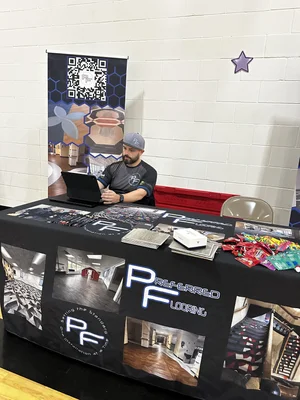
🛠️ Stubbi Tools by Preferred Flooring
Installer-designed tools that work as hard as you do.
👉 Check out Stubbi Tools
NAFCT
NAFCT is a leading provider of flooring solutions, offering top-quality training, certifications, and support to elevate the industry.
👉 Learn more: https://www.nafct.com
🔹 Divergent Adhesives
Innovative adhesive solutions crafted for performance and reliability in the flooring industry.
👉 Check them out: https://www.divergentadhesives.com
🔗 Meet all our sponsors & partners: https://thehuddle.team/sponsors
Stay Connected & Join the Conversation!
The Huddle Podcast is where the flooring industry comes together to connect, learn, and thrive! Recognized as the #1 podcast in the flooring community, we provide an unmatched platform for professionals to discuss everything from installation techniques to industry trends.
At The Huddle, we’re all about driving Forward Progress—empowering seasoned installers, contractors, and flooring enthusiasts to grow, innovate, and lead in their craft. Whether you’re looking for real conversations, actionable insights, or inspiration to take your career to the next level, The Huddle is your home for real discussions that matter.
Want to be a guest on The Huddle? Email forwardprogress@thehuddle.team
We want to send a special shoutout to our sponsors!
FloorCloud
FloorCloud revolutionizes jobsite management with its cutting-edge platform, allowing contractors to remotely monitor ambient conditions like temperature and humidity in real-time. Paired with rugged sensors and instant mobile alerts, their technology ensures installations meet manufacturer specifications, reducing liability and enhancing quality control. Learn more at https://floorcloud.com
Go Carrera
Create your FREE Installer profile at https://gocarrera.com and become part of the future of the industry TODAY!
GET TRAINED! Find a list of training dates here: https://gocarrera.com/resources/training/
Preferred Flooring
Preferred Flooring proudly introduces Stubbi Flooring Tools—designed by installers for installers. Stubbi tools are crafted for precision, durability, and ease of use, helping flooring professionals tackle any project with confidence. Explore the full Stubbi line at https://preferredflooringmi.com/stubbi
Please visit our new website! https://thehuddle.team
Hey, what's up everyone? Welcome to the Huddle, your weekly podcast where we
come on here and uh try and learn you something and learn something at the same time. It's your weekly playbook
to help you find success in your flooring career. That's what it's for, bro.
Or any career, right? Yeah, any career. Pretty sure it applies. You replace
flooring with something else and and it'll apply. Business is business.
Get with it. Before we get started, uh I do want to
thank the sponsors. So, Divergent Adhesives, uh they got
some great adhesives. We've used them in some of our classes and yeah, I mean,
we're using them on some of our projects too though, right? We've been fortunate to have them on our project. We used it in our office. So,
Oh, yeah. As a matter of fact, 100%. We did. I have it all documented, too.
Thank you. So, make sure uh you're when you're looking for some adhesives, you uh check out Divergent Adhesives because they're
amazing. and the NAFCT.
Um, you've been to a couple classes with the NFCT. I did I do mine and then also the
subfloor and substrate one, which that one is worth it if you have not tried
it. I mean, just the the science behind
before anything goes on the floor is amazing. Well, let's look at the title of today's
episode, right? And it kind of ties in with NFCT and what they they do, right? They I don't want to say it was there
was conflict or anything like that, right? Or avoiding conflict. It's just they're leaders in in their respected
industries and they're they were willing to take the risk of creating conflict in
order to get uh another another training out there, another certification for uh
installers. So, it kind of ties right in, not directly, but it does tie in.
Right. And I do want to apologize for uh being late. That's my fault. I was at a pre-bid and I rushed here. Like the
highway was so backed up. I probably would have only taken like 15 minutes, but it was like 10 or 15 minutes longer
than it should have been because uh of traffic. It's all good. We didn't think you were
going to be here. We were like, "Oh, Daniel usually does this. All right, let me see if we can figure this out." And then you just popped in. What's up?
Like, oh, okay. We'll wait a couple minutes. It's what I do.
So uh today's topic is uh when leadership avoids conflict
everyone pays for it. And it's true. I mean it's the having
those tough conversations. If you listen like uh listen to any business audio
book, there's a a big focus on that in general is having those tough
conversations and being able to just talk talk it out. And I think um
like it is tough cuz even with us
it's the approach. I think it is. Well,
you're right. It is the approach, right? Some people are are more sensitive to certain subjects than others. Some
people will always feel attacked rather than you building them up. Um,
but at the end of the day, you have to think about what's best overall, right? You don't
us as business owners, we don't always put the business first. We don't always
put the the employees first. We for sure don't always put ourselves first. Um,
but we try to think long term. We try to do our best to
take care of any potential issues before they become issues. Are we successful?
Nope. Look, it's like water. It's going to all
all the faults will find a weak point. Exploit it. Yep. And and it will be exploited. But
um the conversation, the hardest part about it is to start
the conversation. You already know if if leadership has to have a conversation or
a discussion or you know what's going south. Uh you know what's not going great, you know what could be better. Um
the hardest part is starting the conversation. Yeah. And and by the time you have to
have a conversation, I think most I both sides should have an idea that there
needs to be something talked about. And the thing is is that it just has to start on one side or the other.
Yeah. And um well, let's break this down, Daniel. Well, we're talking leadership and um avoiding conflict. Let
let's start where we started, right? Let's start from an installer perspective as an employee
or or a sub. Um then we can go on from there because there there's
different perspectives that we're going to have to entertain through this whole thing. It's not just the top on the
business side, right? Because there's many many things there. Um and I and
I'll start like uh when I was installing and I was just just learning there
I think there was a lack of leadership when I started and I just kind of
assumed the role but I didn't have a conversation about assuming it. I just
said all right this needs to be done. Hey guys, do this. Uh hey, we need to do that. Can you do this? And it wasn't me
trying to be a boss. It was just me trying to be organized and and get things done, right? So that way
that way I felt like we were doing what was best for that project that day, that week. And then it just kind of led into
all right, you're in charge. Um, but I never had the conversation with my
leadership saying that what we were lacking. I just kind of filled that void and and then it became an expectation
instead of a conversation. Um
but that's my start with it. That's that's my first example um of learning how to have a
conversation. Uh that was me having a conversation with leadership versus leadership
um avoiding conflict by starting it. Um,
conflict could have been avoided though because I did uh I did ruffle some feathers and in assuming that because I
was the youngest person working with a bunch of 30 and 40 year olds. Um, you
know, when I was 20, 20 years old, 18, 19, 20,
it didn't really go over that well. And they, oh, you think you're just going to come in and be my boss?
I don't want to be. like, "No, I don't want to be. I don't think you guys understand."
Well, and that's where over the years, too, we've come to realize that it's uh
there's people that are meant for that role and people that just are not.
Yeah. It doesn't it doesn't even matter if you were better than them or not at that point. You had the necessary skills in
order to lead. So, that's why you get put in these positions. Yep. everywhere I went
and and I should have known, but everywhere I I worked, I had a lot of jobs as as a teenager. Let me just
start. I worked every summer, every day, wherever. As soon as I could get a paycheck um hourly, I I I had a job ever
since. So, 12 years old on, but everywhere I went,
they always did that to me. And I I did hate it when I was young, but
appreciated all the the the mentorship from everybody else who believed in me
when I was younger. Made me believe in myself, I guess. But even though I didn't want to do any of
it, still happened. I mean, that's the thing. It's when you're talking mentors, that's what
a mentor is for, is to put you in positions that you didn't even realize or you didn't even want. And
that that's what they're there for, right? That's uh a true leader right there is creating
other leaders. But isn't that what you want to do, right? Like to me, I I think you want
you want to do that. You want you want to have the hard conversations so that way people can think for
themselves, solve for themselves, troubleshoot um for themselves. that like
I feel like that. I know not everybody does and everybody has that drive like you said, but
you don't know until you have a conversation, I guess. Right. Well, you don't know until someone puts you in that situation.
Well, there's that, too. What you got on that one, Daniel?
Uh, I think like like you were talking about us in in the beginning and I mean
even right now and we tell you guys all the time on the podcast, it's getting
things in place in order to have these conversations cuz the
I guess it it doesn't even matter how big you are, right? It's just how I
guess strong the business is or how advanced the business is. You have to have things
in place when you need to have these conversations because it can't just
you can't do what you've always done. And you and I conflict have conflicting
ideas about this all the time when it's I know I know you can't Yeah. You can't just do things the way
you've always done them because there's a process that has to happen and things
have to be documented a certain way in order to
make it right, make it, I guess, legal, I could say, in order to cover your bases. Yeah. in
order to cover your bases because of all the uh all the policies that are put into place
by you know your your county township state federal like
the that's a whole another conversation so I won't even get into it but yeah I mean yeah we can do an entire
podcast probably about like employee handbooks and policies and that's
probably a good would be a good podcast. Yeah, every state a little bit different, but every state deals with
their own stuff. And and you know what, that's a room full of leaders
causing conflict too, right? That promotes growth. Um
I guess that is the benefit of it is uh those conversations that everyone avoids
when when they do have them, it is for the better, right? And sometimes it might seem for the worse,
but it is for the better. Nobody likes to have the hard conversations and then everything dissolves, right? But it
might build you, it might break you, but either way it goes, it puts everything
in in the places they're supposed to be and back on track
in my opinion anyway. But it doesn't always happen that way right away.
No, but it is it's it's hard to have these conversations and especially lately when
you're not set up to have them yet. So, you have to kind of scramble in order to
get things set up and then but you also don't want to put it off too long to
where it's not relevant anymore. Right. Yeah. And I think that's where I get all
like we gotta wait. Well, we got to get this together. We have to have all this. Let's just do it right now.
Old school. I don't know. Um if there's anybody
listening right now or anybody out there that comment and give us some of uh some feedback or or some scenarios that that
they've dealt with, that'd be phenomenal because uh we're still learning, right?
and and I I want to learn from from everybody else who has similar or
even different experiences. So that way we can help find resolve for people who will are afraid to talk talk too much
and or don't approach it with the right process.
Well, Rand says that work is easy compared to sitting down your kids and having a talk.
I I guess depends on what it is because I don't know. I don't really have an
issue talking to my kids about stuff, but
they're just easy like that. Like, it's open communication at my house. And some
people think that it's weird, but I mean, I will roll up around all the
other parents at the school and start flipping my kids off and
but that's just the relationship we have, right? we can be open and and especially I mean with Tanya, Tanya can
probably have those conversations better than I could. at least like the harder conversations or the I'm worried about
this or I think I messed this up type of stuff before they come to me because
she just has that motherly love, that nurturing side to
where if you talk to me, I'm just there's a problem. Here's the solution.
How are we going to get there? Well, that that's that's in in our nature, in the guy's nature, right, is to present
solutions, right? Because when someone is resenting an issue, you want to help them solve it is
I think it's it takes practice to to be an open ear and to listen to absorb and and you know I can learn a lot from
from the way that she does things and I do um
because even in these leadership books that's what they talk a lot about too is you kind of have to uh look at things
like we talk about Simon Synynic a lot right and that that's his whole thing is
looking at the other person and what's going on with them. And sometimes these
hard conversations can become easier because you don't look at it like
why are you late every single day this week? Instead of, you know, approaching
it like that, it's you've been late every single day this week. What what's going on? Like you need to talk about
something. And it's it's hard.
It's hard and it's not at the same time in a leadership position because sometimes you do get a little riled up.
And that's why sometimes it's easier to uh to push that off. And we get this
from sports, right? The 24-hour rule. It's like not going to say anything right now because
I know I'm going to have an attitude. So, I'm going to put it off for a little bit so I can actually think about what's
going to come out of my mouth. Um, that sounds like a good plan. Sometimes
it's hard to hard for me to exercise that, right? And I guess it depends on
how repetitive the the issues are. Is it something you've already talked about a
dozen times? Is it something you've only mentioned one time? um or or or you
haven't asked the right questions and found out what's going on, right?
But I try to be
so apparently I'm not an approachable person when it comes to some things, which I tried to be, right? But but just
I just I like to use the details and the facts and not a lot of feeling right
like you were talking like I know that that's a muscle
but I think they're already in my opinion people are already getting the conversation of the feelings from
everyone else. Someone's got to be the tough love person. I do kind of feel like that's always been kind of my role.
Um, and that that's what you need. Like
you still need that push back, right? Going back to the mentorship, it's mentors don't tell you what you want to
hear. They tell you what you need to hear. Yeah. And
I don't know, dude. I just can't be the one to tell people what they want to hear, but I can congratulate them and say, "Hey, thank you." and and you know
that what they're giving me is valuable information and we can have conversations like that. Um, I don't
mind any of that. It's just when you ask me a direct question, I try to be as direct with my answer as possible and
sometimes the the answer isn't what they were fishing for, right?
Um, Rand says about the kids says, "Oh, sure. in walks a guy taking your
daughter out and you have to talk to him. But my daughter plays softball. So,
a lot of people probably won't get that reference, but she he's saying she might drive a Subaru
later. That's all. Ashlin says rainbows.
Um, you know, I don't know about that. Like
I So I've I've just so you know, like I I' I do play conversations in my head before they happen, right? In my head, a
lot of conversations, whether it's at work, at home, they they go pretty good in my head and
I have multiple variations of of that conversation. Um,
but the reaction and the way someone is absorbing information
um kind of dictates how that conversation goes, whether it's personal at home or
with the kids or at work. Um, the way that
they want to react or feel they react, it kind of drives um the energy of that
conversation. And sometimes it's like, "Oh, let's slow down. This is not right." Like, "This is not where the
conversation is supposed to go or how how I envisioned it." Um, but if you're
trying to have a conversation where you're already fed up with something and you're already upset because of all the negatives, it's easier for both parties
to go into that uh that type of energy. Um,
I think it's a culture thing, too. Um, it's the same way, you know, you raise your
kids at home and you you got to foster that you can we can talk about anything
type of deal. And it's the same thing in the business too where um it's that open
door policy, right? It's like I I end every meeting that we have with does
anyone have anything else? Like it's open floor. Like there's I know I'm not
perfect. what can I do better, right? It's I'm not just talking about the the
wins or what's wrong with with everyone else. It's like what can I do better as
leadership and letting them know that if there's any issues on their end, too,
that they can come over and talk to us. Yep. This is where my old school thing
kicks in, right? Like, what can we do better you guys? We want to be better for you guys.
But don't let don't let that conversation lead to where what can we do to provide for you
without you really trying to help us too. Like can't make it all one way. And
that's where I have a hard time with some of the things that that we do and help out with. Um it's
always give, give, give. Um and I just don't like to feel like that. And that's
where I'd start getting upset and having because I can see it and I've dealt with people like that my whole life. Um,
right. So, and it's just one of those things where I I do probably get a little more
animated in some of those meetings than I need to be, but sometimes people need to hear it like dude,
we're not your contingency. You're an adult. You should be able to get to and from.
You should be able to make your own phone calls. That's not necessarily a leadership thing,
right? Right? And I might be going off track with the conversation, but still the conversation that needs to be
had so to avoid the conflict. It's, hey, I'm going through some things right now.
This is where I'm at. This is where I know I'm going to have some struggles. Um, I just want to bring it up.
Jeremy says, "More Taco Tuesdays."
Jeremy, he had too many Taco Tuesdays. No, you're right. It's um conversations
can't be led by I need this,
right? And and it I feel like with with some people it's always like I need this. I need this. I need this. And then
you come back with them with something like, "Okay, well, you're telling me that you need this, but we've talked about these things already, and there's
no production on your side, but every time you talk, you're like, need, need, need." And it's like, um, I can't be
held liable for your choices that you've made.
Yeah. Those are the hard conversations. It that is a hard conversation because
again you don't know what people are going through in their personal lives. All you know is the conversations that
you have right? So until you start having those conversations and that's where um as a mentor
it's like well we can talk about it. I'm not saying that we can't get to where you
want to get to, but we can talk about what it's going to take in order for you to get there.
Sometimes uh sometimes the uh journey is going to take a little bit longer than
what people are willing to accept. Um and sometimes that conversation is going
to be a lot harder than what people are willing to uh put themselves through. And you know, that's that's part of what
we're dealing with today as far as like um the new generations, right? Because it was everyone hated millennials and
then everyone hated Gen Z and now Gen Alpha is starting to enter the
workforce. And it's like, okay, well, um, I've listened to some leadership
podcasts where people are like, this is the generation where
you do have to start rewarding them before they do anything because, and
you'll you'll love this one, right? is the the participation trophy type of stuff where
they they think that they're going to enter
and they're automatically going to be at a certain spot where you you have to go
back to kind of like the boomers and the Gen X where it was I'm going to work and
prove myself so that way we can get to a certain point. Now it's like, put me in
that spot and then I'll work hard.
This is me practicing being quiet about that stuff because it just But I mean it it is it's the the world
we live in and it it just it sucks because it's not
just that generation that's doing it now. It's kind of uh
it's bleeding over in everywhere. Yeah, it's ble it's bleeding over. Um
and I I just look I have these conversations with my son quite a bit, right? 13 years old. Uh
and I and when he was young, the conversations I had the hard
conversations early on with him about it and when he was younger, I just told him when he was asking me for things, "Dad,
can I have this? Can I have that? Can you buy me this?" I'm like, "Well, hold on, hold on, dude. Just going about this all wrong." I said, "You keep asking me
for things, but you're not talking about what what you're bringing to the table, right?" And this is a little kid.
Why don't you go do these things without me having to ask you and then come and then come and ask me? Make it hard for
me to tell you no. Make it hard for me to tell you that that you don't deserve
that. And that little bastard,
he does that. He makes it hard for me to tell him no for the things that he wants. Although the things that he wants
compared to the things that are really affordable are like So, Dad, I really want this camera. How
much is it? $2,000 for a camera. Dude, you can't even can't even make it through three months without cracking
the screen on your phone, bro. How you going to take it? Right. Right. And Jeremy just says what we were
just saying too. They expect the employer to cater to their needs and wants before they even prove they're worth it. And
it's kind of what we've been dealing with. I mean, like, not to
not to poop on my friends list on Facebook, but I've seen way too many
posts that have been um and it's typically always the same
people. It's I need a job. Who's hiring? I need to come back with I need to make
X amount of money per hour. And it's like, man, like you're you're looking at
entrylevel positions. Like, you think that just because you've
been in the workforce in this spot for so long that you can
transfer that over to anywhere, but that's just not the case. It's you don't make a lateral move unless it's the the
same industry really, right? You can't you can't go from, all right, I'm making, you know, $20 an hour um over
here to, all right, I want to I want to start with you guys, but I need to make more than I was already making when I
was to make up for the time I haven't been working. Yeah. Yeah. Yeah. That's um
well, got to be realistic. And that's where those conversations though are easier. The harder conversations are
easier upfront before you create a history, right? Um because if you create
a history without expectations, then those harder conversations become
extremely hard. Yeah. H says you got to you got to start all over. And it's just people again,
that's one of and it's not even an employee at this point, right? It's just someone that is looking for a job, but
it's still the hard conversation. And I've had to tell guys that have came in here and asked
for um for work. They're like they're like
you better be a star child to better pay to get better paid to get better better pay.
Yeah. Um but I mean there there's been guys that have come in here and they're like, you know, looking for a job and I'm like,
well, do you what are you looking for? are you looking for, you know, employment or are you looking to be a
contractor? And a majority of the time they're like, they're done with trying to find their
own work. So they're like, I'm looking for employment. And I'm like, all right, well, what do
you have? What what do you have experience in? Everything. That's what
everyone says. Everything. Okay, so you can do this. Oh, no. I've never done that. Okay, but you can do this. No, I
don't I don't do that either. Okay, so you can't do everything. Well, how much are you looking to make? And then they
they base it based on working for themselves for all those years and they put the same number on the
paper as they were making for themselves. And it's like
that's where you can really tell when someone was not necessarily a business owner even
though they may have owned their own business. They were just had had that job, right? they owned a
job and they're they're trying to transfer all that over when in reality
it's man look at just the expenses in general.
Oh dude, they're going going through the roof. I mean
it it's hard, right? and going back and saying I want this much
money an hour to knowing what we pay per hour to match
to have an employee like man I wasn't I wasn't that greedy at all
you know what I mean but the way people are approaching now like it was like kind of hurts like damn did I just I
just I didn't value myself you know I had this conversation with Anneio earlier today right right before he left
uh to football. He was like, "Uh, hey, uh, since I'm helping, how much am I getting paid now?" I'm like, "Why are
you asking me why?" I said, "Better go ask your other uncle." He was like, "Well, I don't know how much I'm getting
paid." I'm like, "Well, how much are you worth? Like, what what can you do right now? How much are you worth?" He was like, "I don't know. I don't know how to
do any of this." I said, "So you so you don't have a value yet?"
I said, "Well, then you're at least making minimum wage." Agent looked at me. I said, "How about
you figure out what your work and then then ask that question, right?" Like,
right? Like, okay. Like, here, young man, try this table saw.
You know how to do it. Getting paid good, baby. Yeah. And um
I said, "Well, maybe maybe you're worth uh" I said, "Would you like to make a hundred bucks a week?" He was like,
"Yeah." I said, "Okay, so if I pay you $20 an hour, but you're only worth five hours a week to me. Is that your is that
your value?" He was like, "No, I want to work more than that." I said, "You want to work more than $20 an hour or more
than 100 bucks a week?" He was like, "I don't know. I don't know how to answer that." I'm like, "Find out your value
and then we'll have a conversation. You'll know." By the end of the week, he'll have an idea of what they're doing
and if they're doing good, making good progress. They're they're not they're not dumb. But he's also my nephew and I won't lie
to him and I won't I just I just want him to come to me with with with his information and his his perception,
right? Because if I if I start planting those seeds, then that's what he's going to come back with stuff that I gave him
to tell me. I just want him to tell me himself. Jeremy says, "Pull out the box and make
them prove it." And we've actually talked to someone that said that this is what they do and they will actually pay
the person if they install it right. They were like, "All right, go out here and show me what you can do." And then
once they're done, they get paid for their time that day um and come on as an
employee. But the issue is is that people just don't show up to keep on
doing it. Like you can be like, "All right, come
back tomorrow and and you know, install this box right here." And to get someone
even when he says, "I'll compensate you for your time." They just don't show back up.
Jeremy, I beg your son to bag my leaves. He missed a lot of spots.
And you made him go back and do it right. I did. I did. It wasn't
Look, I I I don't I don't mind my son wanting to earn his his own funds, right? And wanting to help. He He wants
to help and he wants to earn at the same time, right? That's a great combination. Um, and I'm not going to
I'm not going to dismiss that part of him. So, yeah, but it's like, dude, you
got to go back and you got to make sure that when you walk away, you're you're doing a job. Like no matter what you do
in your career, you want to be complete and you want to make sure that you're happy with it and they're happy with it.
Sometimes nobody's happy. Sometimes only one side's happy. But
um I think my son would felt like he was in a rush because we were dropping him off
and picking him up. Right. That wasn't me that was picking him up, making him feel in a rush. But use your time
wisely. Um, so if you're there with enough time to do the job right, then you leave and it's still not done right,
sometimes you got to go back. Said he's a worker. He is a worker. I
think is he Oh, he had to go to practice, didn't he? No. No, they that got all changed. He came back with the other Vos with your
son and Emlio um because they were almost done what they had to do anyway. And he would have
been at the separate building all by himself.
Let's start at how good can you scrub our facility toilets? The crazy thing is is we had
conversation with our employees about that because it's like who do you think cleans this
toilet, man? You think it just magically gets cleaned? No. If I'm going to make a mess, I'm going to clean after myself.
You should do the same thing as as a joint effort to keep the office
clean, right? To keep the warehouse organized. Is a joint effort.
Sometimes uh sometimes you got to have that conversation about doing your part.
Crap. Look, our mother helps take care of the warehouse, right? Like the warehouse is a lot bigger than what we
we're used to having. and uh she'll put on there and put pictures who put this here. That's not where it goes. I need
you to put that back. And again, that's also a leadership thing, right?
Because we still don't have things set in stone on where everything goes. I mean, she does and she labels
everything, so it should be foolproof, but there's there's still things that that need to
be done. Um, yeah. And that's the hard thing with leadership is is that
especially when you're as small as we are, it's we're trying to do everything and there's just not enough of us to go
around. Not enough time in the day to tackle all the tasks. That's for sure.
Yeah. Trying to find balance. One of one of the things with these hard conversations is that people need to
realize that accountability is isn't punishment. That's one of our our our
things that we talk about every week, right? It's you got to hold yourself accountable for for these things. And
it's not you you can't and we combed this for a long time where something
happens on a job site and it's always well this person this or th this person that or uh I told this person that they
were supposed to do it and it's like okay well did you go check on it? No,
it's like Well, that's that's the thing, man. It's like it's it's it's
someone has to to hold that, right? It's it's it's someone's job already, and if
they tell someone else to do it, it doesn't mean that it's not their job to make sure that it's not that it's done.
Yeah, that's um those are some of the those uh conversations right that to that avoid
the conflict like hey I am giving this is your task list if you delegate
some of this list and you're still responsible for it right like this is yours
someone someone still owns that right this is yours I'm giving it to you how you separate it is on you but you're
still responsible for it at the end of the day list out, list in, and still got to
filter to the same uh main point of contact. And can't be like, well, I gave
them those three things to do, like you said. Not my fault. They didn't do their job. Well, but your job was to make sure
everything on that list was done, so you're not doing yours either. Yeah. And when you know, and when I was
running cruises, the same thing. I was running, you know, big jobs and it it's like, all right, well, at the end of the
day, I'm going to walk through and make sure everything is good. And if it's not,
and that's where people probably hated me because I don't care what time it is. Hey, this was
supposed to be done. It ain't done right. Bust the tools back out. I don't care if they're on the van.
Dude, you remind me about what people used to say, and Jeremy might be able to attest to this, that uh at the end of
the day, if they didn't put the tools back in the right spot. Oh, yeah. I was emptying the van. Nope. Everything
out. Oh, but I got it. I don't care. You should have put it back in the right spot, bro.
Everything out. That doesn't happen anymore. I can tell you that just by
looking in the veins, right? And that that's the thing too is
that the more and more you have these conversations the easier they get to um it's not just
I'll put it in terms of like sometimes people are like they see a phone call come through and they're like oh man
like may maybe it's a job that you just did and you know the GC or the homeowner's calling you and it's like oh
man I don't even want to answer that right now because it's going to be an issue. It's like, dude, just
answer the phone. It's like some these conversations don't need to be like that because I think that's why a lot of
people like um working with us is because I'll answer the phone and they're like I'm like, "Hey, what's
going on? If there's an issue, all right, let me see when we can go back over there and fix it." It's not it's
it's never like, "Oh, I'm trying to avoid this." it. And the crazy thing is that we've worked with other people that
do try to avoid that. And then every time you have these conversations, it's always
excuse excuse excuse instead of all right, let me just go take care of this and and make sure everything is good.
Yeah. is um when when you have more of the
conversations, whether you're leading or you're the recipient of the conversation of of these um
the things that need to be talked about, right? Whether it causes or or conflict or or to avoid future conflict,
you find it's so much easier to to just say,
"Yeah, you're right. Um my bad." What? Like, all right, what's next? What can
we do to avoid this happening again? What can I do to be better? What am What
am I missing? You told me already. You're right. I keep missing it. I I
What do you do to make sure you're not missing it? Right. Like those are the That's what ends up happening through
through some of these when you get so used to working through issues and and not viewing it as
so as an attack rather than a moment to build. It's it does get easier and you do have conversations like that and they
can go really well. Um they can go really well. I like you
again like you said right like couple projects not going so well and every time the phone rings it says name on it
you answer it's always something wrong but then that last time like um one of my recent projects phone rang and I did
I looked at it I was like now what? Right. And it was nothing bad that that we did our guys did. It was
like the whole scheduling thing and back and forth and with the client and and them just not holding up their end,
right? So, I was like, "All right, maybe I'm overstepping by saying, "This is unacceptable." Uh, Mr. or Mrs. client,
we've already had this conversation. Get a phone call. It's like they said, "Thank you. They loved everything.
Everything looks great." Just like, well, you just had a good point right there, too. Sometimes it's not always,
you know, leadership going down. It's leadership looking at clients and and having those conversations too. It's not
I mean up till this point we've been kind of focused one way but it's also that way as well when it's
difficult conversations with the clients when you're like listen
we agreed to do this project we laid it out like this you're not
you're not doing your end of the deal right and and maybe not say like you're not doing the end of the deal I forget
how I put it on there I just uh I mean I kind did it like that, but it's like if
there was something that was misunderstood, please let me know where where that disconnect happened so that
way we can find some resolve. Now, um
I'm not always the best with uh with words and not always the best with trying to be nice about an approach, but
pretty good at throwing it in there like look, boom, this is all this is everything on the table. and then
reeling it back in with a let's move forward together and find some result. Where are you at? This is
where I'm at. Where are you at? Like we're problem solvers. Let's solve this problem. Yeah. Um
and sometimes it works out like that. Sometimes it don't. Sometimes you just have the
look, I avoided some conflict. I'm I'm just going to say it. Last week I walked away from a small project.
not something that I don't even know if I've ever really done that,
but there was a I went through a lot of steps with the with this lady to to get every all the ducks in a row and said,
"This is our process." And then so she said, "Okay, yeah, let's go."
Like within hours downhill from there within hours, how come you're not here yet? How come when are you going to come
over? How come where are you at? And then it was like that that was this was a podcast that we
did a few weeks ago with uh saying no to to these kind of Yeah. And you know what? Yes, you're
right. It it was shortly after that and I didn't think I was going to have to exercise that muscle that quick. But Jeremy says uh you have to also be able
to talk to people and communicate. Project managers, job bosses, homeowners, all it takes is one bad
conversation to offend someone or rub them the wrong way.
which can relate to less jobs in the future. Yep. Yep. Or it takes the wrong person
in the crew to to be the point of contact. Um
and I think that that's where me and this lady had some disconnect, right? Like she needed something done pretty quick. I was willing to help her out,
but she just didn't understand that when she approved it process. Yeah. And when she approved it, I had to
find the time in the schedule that that allows, but I was going to get to it as soon as possible. She thought if she
approved it at 9:00 p.m. the night before, you'll be there at 7:00 a.m. tomorrow. Yeah. And she was like, "Hold on." Like,
"Hold on." Like, "No." Like, so I had to call her and talk to her. I was like,
she's like, "You said you'd be here by 9:00." I was like, "No, no." And we talked and said that when I find a day,
I can wait until 9:00 a.m. to give you time to get your day started.
Well, that's not what you said. Like, it's literally says it right here, too, in the email.
I'm so sorry. I don't I don't think that I'm the right person for you. And um I I
think we're going to have to separate uh paths here. I do apologize. And I felt
bad. She's like, I got to start all over again. I was like, I don't just don't think it's going to work out. like you
have a level that of expectations that that I cannot conform to and I would just prefer not to have a relationship
that's built on you already being unhappy with our services.
Yeah. So,
she was taking out on me that her bad experiences with the other installers is what it was. Jeremy says, "You remember when you
joked with a bank manager? She wanted us off the job site. So, we left and went to Bdubs." I do remember that. I just
got to the job, dude. It was And it was a joke, too. I know, dude. It was a joke, too. Was like,
why these guys keep disappearing? Are they really that lazy? Like, every time we all they had to do is move stuff in
front of us. They went to another project, came back. Um,
somebody didn't like that joke even though they laughed at it, you know, and I was, you're right, that
was a conversation and I got us booted from a project. Um, and we were just helping somebody.
We were helping a friend of ours. It wasn't even like we were just there helping. It wasn't anything other than
that. And yeah, it was a the B-Dubz is probably uh the better
choice anyway. Yeah. So I guess I to to wrap things up, I think what what people need to realize
is that leadership isn't a popularity contest either, right? It's
when you are a leader, it's your job to run towards that conflict and then start
looking at um some resolve right away. Um
and sometimes that isn't the conversation right away. It's looking at everything from different
perspectives and going about the right way to solve things and letting people
know that, you know, I'm this this conversation may not go the way that you
think it was going to go, but it's going to be a conversation nonetheless. Yeah. And and um to add on to what you
just said uh about the leadership, it's sometimes
It's a group coming up to you because they view you as a leader to speak for them, right? And it's a collective and
and and sometimes you have to find a way
to bring their points to the surface to find resolve as well. even if they're
not willing to to say it themselves or they just don't know how or want to
when I teach classes I go in there and I'm like let I don't know everything so
if you know a better way let me know and that's why we have these conversations it's not just my way or the highway for
the most part I mean sometimes it that it's going to be like that but for the most part like
it's a collective so we're not just here I And just
all the things that can happen when you when you try to avoid it, it just becomes too costly. I mean, profit loss,
employee retention, clients getting angry. It's the list goes on and on. And
that's why, you know, everyone should be looking into a trade tap for training
because the the more professional you can make yourself, the better off you're going to be in the long run, too. And
prepare yourselves for uh I want to think that everyone who starts in a
trade is looking eventually for a leadership position. And you know, we talk about all the time how that's
really some people will just stay in a position because that's all they're ever meant to
do. But if you strive for that leadership position, that's what you need to do.
And just learn from all of our mistakes that we talk about on here. Um, so you
can be ready for these conversations when they come up. And if you're um a rip the band-aid off
type of person, don't don't change for anybody, but put some thought into which direction you're
ripping that band-aid. That's really all I can say is just put
some thought into it. But we appreciate you guys. Thanks for uh joining us this week and uh
we'll see you guys next week. Don't forget to like and subscribe. subscribe and thumbs down everything, whatever.
Engagement's engagement, right? Let us know what we can do better. Again, that's what we're here for.
Yep. So, we appreciate everyone joining us. We'll see you guys next week. Thank you.