The Huddle - Episode 195. Professionalism Is Not Just a Logo – But Image Still Matters
Professionalism isn’t just a logo — but your image still matters.
This week on The Huddle, Paul, Daniel, and Jose are joined by special guest Brandon Wilson for a real conversation about what professionalism actually looks like in the trades.
Plus, Daniel and Jorge are coming to you LIVE from Coverings in Las Vegas, joined by Kevin Keefe, bringing an on-the-ground perspective from one of the biggest events in the industry.
From how you present yourself on the jobsite to how clients and partners perceive your business, this episode dives into the balance between substance and image — and why both play a role in long-term success.
What You’ll Learn in This Episode:
The difference between real professionalism and surface-level branding
Why first impressions still matter in today’s industry
How communication, consistency, and accountability build trust
What your image says about your business, before you say a word
How to elevate your presence without overcomplicating it
Your brand might get you noticed, but your professionalism is what builds your reputation.
Why This Episode Matters: At The Huddle Podcast, we believe Forward Progress comes from mastering both the craft and how you show up — because perception and performance go hand in hand.
⬇️ Don’t miss our sponsors who help make The Huddle possible:
🔧 ShagTools.com
Your go-to source for professional flooring tools, supplies, and accessories.
🛒 Use code HUDDLE10 for 10% off your first order!
👉 Shop ShagTools.com
🚀 Go Carrera
Build your profile, prove your skills, and connect with contractors—all in one place.
👉 Learn more at GoCarrera.com
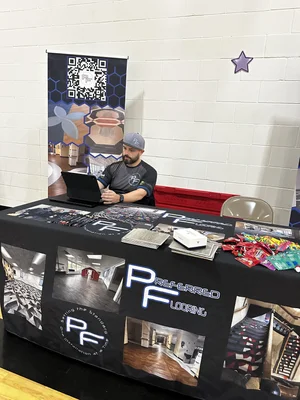
🛠️ Stubbi Tools by Preferred Flooring
Installer-designed tools that work as hard as you do.
👉 Check out Stubbi Tools
NAFCT
NAFCT is a leading provider of flooring solutions, offering top-quality training, certifications, and support to elevate the industry.
👉 Learn more: https://www.nafct.com
🔹 Divergent Adhesives
Innovative adhesive solutions crafted for performance and reliability in the flooring industry.
👉 Check them out: https://www.divergentadhesives.com
🔗 Meet all our sponsors & partners: https://thehuddle.team/sponsors
Stay Connected & Join the Conversation!
The Huddle Podcast is where the flooring industry comes together to connect, learn, and thrive! Recognized as the #1 podcast in the flooring community, we provide an unmatched platform for professionals to discuss everything from installation techniques to industry trends.
At The Huddle, we’re all about driving Forward Progress—empowering seasoned installers, contractors, and flooring enthusiasts to grow, innovate, and lead in their craft. Whether you’re looking for real conversations, actionable insights, or inspiration to take your career to the next level, The Huddle is your home for real discussions that matter.
Want to be a guest on The Huddle? Email forwardprogress@thehuddle.team
We want to send a special shoutout to our sponsors!
FloorCloud
FloorCloud revolutionizes jobsite management with its cutting-edge platform, allowing contractors to remotely monitor ambient conditions like temperature and humidity in real-time. Paired with rugged sensors and instant mobile alerts, their technology ensures installations meet manufacturer specifications, reducing liability and enhancing quality control. Learn more at https://floorcloud.com
Go Carrera
Create your FREE Installer profile at https://gocarrera.com and become part of the future of the industry TODAY!
GET TRAINED! Find a list of training dates here: https://gocarrera.com/resources/training/
Preferred Flooring
Preferred Flooring proudly introduces Stubbi Flooring Tools—designed by installers for installers. Stubbi tools are crafted for precision, durability, and ease of use, helping flooring professionals tackle any project with confidence. Explore the full Stubbi line at https://preferredflooringmi.com/stubbi
Please visit our new website! https://thehuddle.team
What is up, guys? Welcome back to The Huddle, the number one podcast in
flooring. We are here every single week to help you guys win and move your uh career
into the future. That was a really fuddled up intro. Sorry about that. I'm just so excited because today we have a
very special show for you. uh part of the huddle crew is in Vegas at coverings
and we have a great guest today. You know, I I would almost say he's an expert on our topic, which is
professionalism is more than just a logo. I actually changed it out a little bit. Uh but it's
essentially that. But before I introduce him, I want to mention today's sponsors, Trade Tap and the BTI. So, those of you
uh who are VTI curious, go check it out at bti.com.
Uh bti.tradeap.com. So, uh our crew is uh they're coverings.
We got Jorge and Daniel Gonzalez. Kevin's hanging out. They're hanging
out, I should say, at Kevin's booth. QAP Roberts, one of the uh best tool manufacturers in the entire universe.
with one of the best installers on the planet in Kevin
on the planet of an intro.
Yeah. So, Brandon is catching some signal and in the meantime
I thought we would uh you know jump right into the topic for a quick second.
you guys are in in in Vegas at coverings and obviously you're surrounded by logos
and people and and everything and and I was talking to Daniel earlier and he
said, you know, it it seems like the installers around here are kind of representing themselves a little different than I'm used to seeing at
some of the other shows. So, Daniel, tell us a little bit about what you're seeing there in Vegas.
Yeah, you just see the the sense of pride with these guys, right? Hey. Um, first of all, I didn't expect to see as
many like contractors and installers as uh I do here cuz I think we've seen more
just in the little bit than we we typically do at Ties. And um I mean we
and I were even talking to the people from TAI yesterday and they said, you know, that that is one of their goals is
to get more installers there, too. So, they're always looking for ideas. So, if you're out there listening right now and
you have some feedback for them, let them know what what is it what is it going to take to get more installers out
there, right? But, I mean, these guys are walking around with, you know, collared shirts on, their logo plastered
everywhere. And um just very very proud of of what they're they're doing in the
industry. And I mean, we were at the Rockstar event yesterday and you know, shout out to the NTCA, you know, for
inviting us out here. And thank you to Robert's QEP for um we kind of took over this entire
corner over here in their booth uh to to do the podcast. They had to move some of their stuff. So, man, it's it's amazing
what they're doing here. And it's amazing that, you know, these guys out here are so proud to be installers and
doing what they love. And I I just love seeing that because um you know, my brother tried getting a guy on who when
we were starting was like uh we we were kind of those people like we didn't
care. We didn't have that. We were ghetto, bro. Just like we were ghetto. Just say it, dude. You know,
you're loading it up. And he he was like, "If why am I going
to trust you if you don't even put your logo on your stuff, right?" And that was the the turning point for
us. And it's awesome to see all these guys. And the thing is is that, you know, you talk about about branding and
a logo, right? And these guys, they're over here. They're not handing out here's my business card. It's here's a
sticker. Here's some stickers. Put them on everything and then once you just search their name, they pop up
everywhere. One thing I've noticed at this show is, you know, a draw for the installers,
there's a lot of demos, a lot of hands-on going on, right? Um, if you want to get the installers and
like-minded people together, give them something to play with. Let them let them see it visually, right? Let them ask the questions. Uh, I mean, there's
full showers going up. There's It's amazing. I mean, it's a really big draw
for installers and it's nice to see them coming out here because education starts with the manufacturer of the products
that you're using, right? It's good to talk to these guys, see how it's done properly and uh you know, I'd like to see more of
that at Ty too. Uh more hands-on, more demos, more classes. Uh
I think we all would. I think it would be I think it would be welcomed. I want to introduce our uh our guest for the day.
Um, well, our other guest with Kevin is Brandon Wilson. Brandon Wilson started a
a general contracting firm um here in Witchah. And he sold that uh
maybe four, five years ago, something I'll let him kind of uh uh elaborate a
little bit. But Brandon also after he sold that uh started a company called
Integra uh Building Advisors, I believe. And what he does is he represents
building owners uh to kind of uh facilitate and be the intermediary to
make sure that jobs go the way that they're planned and that the general contractor does their job. But I want
Brandon to tell us a little bit because one of the things when working with him over the years is the professionalism
that he brought to the table, not just with project managers, but his superintendants, his foreman, and his
laborers all represented the company like at the highest level. So Brandon,
welcome to the huddle. We appreciate you coming on. I I I want to disclose that I
called Brandon about two hours ago. was like, "Hey man, I need you on my podcast." And so he was gracious enough
to join us. Brandon, take it away. Tell us a little bit. We appreciate that. Yeah. Sorry, I didn't have time to do my
hair, guys. But, uh, anyway. Um, it looks good from here. Yeah. Can you guys hear me? Okay.
Because I am mobile. So, can you guys hear me? Okay. Yep. We can hear you. Great. Yeah. Okay. Yeah. Like Paul said, about 15
Well, it's been 20 years ago now because I sold the company five years ago. Um, I started a contracting business out of my
basement and we grew it to kind of a medium-sized contractor in our area and then I was approached and decided to
sell it. And so now I pretty much just do what Paul said. We call it owners representation which are consulting
services when when owners go to build a project and they need a little bit more horsepower or somebody experienced in
the industry if they're not familiar with it. Um, even if they are familiar with it and so I jump in as a consultant
and kind of just help through the design and the construction. But uh going back to what Paul was saying about with
image, I put a big big emphasis on image when I had my construction company. So, you know, with us being at construction,
you know, everybody kind of looks, I don't want to say down on us, but we're kind of, you know, architects and engineers are above us and and then you
got your general contractor and then you got your trades below that. and I tried to raise the bar whether it was
internally within our general contracting business but even with our subcontractors um whether they were
flooring or electrical or um the painters uh pretty much anybody. So the way I did
that was when we had project meetings um not only did I expect my employees to
dress appropriately but the subcontractors that would join us in our meetings I expected them to dress
appropriately. So, it's a little hard when even our own superintendents in the field, you know, were doing some
hands-on work or cleaning or unloading materials and they would get hot and sweaty and dirty. Um, but I expected
them for the meeting to change their shirt, put on a simple polo shirt that had the logo on it like you were
mentioning. Um, put on a new fresh hat that's brand new. Uh, not the one that's
got the sweat ring in it and all the dirt collecting on it. Um, and I just
expected them to come look professional because the way the way I looked at it was we've all driven down the road,
pulled up next to a to a some sort of a contractor or a subcontractor truck at a
stoplight and saw how dirty it was, how dented it was, how rusted it was, papers
all over the dash. And so I would ask myself, if I needed work done, would I
call that company? And if I asked you the same question, you'd probably say probably not. If if
that dirt was in or if that truck was in really bad shape or from a cleanability standpoint, really bad. Um, but you're
going to go hire the contractor that shows up in a nice clean truck. It doesn't have to be brand new. Doesn't
have to be expensive. It just has to be clean, well taken care of. And then when some when that individual gets out of
his truck, his or her truck, what do they look like? Um, you know, do they have jeans with torn holes all over it
and paint all over it and sheetrock mud all over it and glue all over it and your guys' st in a situation. Um, so
it's it's not any different than going and having a surgery done on your hand and the surgeon walking in and clothes
looks like dirty fingernails work. Yeah. I mean, you know, so or or the
waiter that comes or the waitress that comes to serve you and isn't dressed appropriately. Um it just doesn't give
you a good vibe, right? So, I tried to use those as analogies with um our employees and even our subcontractors to
we've got to raise the bar in our industry and whatever perception
that that owner has of you, whether you're a project manager, estimator, uh
in accounting, superintendent, foreman, carpenter, doesn't matter. Whatever
perception they have of you is how they think the work is going to turn out, right? Yes.
The work that you're doing on their job. So, um, like Paul said earlier, um, I I
just put some emphasis on the image part of of it. You know,
our superintendents had company vehicles. We paid paid for the and I told our I want you washing your truck
on a, you know, regular basis. Um, so what we did is we had weekly project or
I'm sorry, weekly superintendent meetings for scheduling and talking about projects and about once a quarter
we would draw a number out of a hat and whoseever whichever superintendent had
that number we would all go outside and inspect his truck,
see what it looks like. So they didn't know it was coming. They they they did not know it was
coming. That's a good idea. So that that forced them to have their trucks cleaned
at least for every meeting, right? Which was every week. Yeah, basically every week. Um and it it paid off. Um so um
it's all about perception. You can be the best installer, the best project manager, the smartest estimator in the
world, but if you don't come across that image-wise, it tends to just kind of lower the bar um as far as who you're
dealing with or who you're working with. So, well, one of the things that you guys did um and I think is valuable for all
of us to consider as we're talking about professionalism and and you know, it goes beyond the logo, but the logo or
your mark is is it's still important to have something that represents your
company. And you designed your guys's mark and I thought it was a really beautiful mark that you guys have or had
before you sold it. And all of those things together gave you an exit out of
your construction company that was very beneficial for I mean I don't know the
deals of it. I'm just saying it was a beneficial thing for you. They got a great whoever the the people that bought
you got a great company that they could take over and uh take forward. But you
you were able to sell it because of not only the the clientele that you got
because of your image. And that image goes down through the way you do your
job. Like it's more than just telling them to wear a logo, a logoed shirt. It
kind of boils down to creating that expectation. Also boils down to the the
work that gets put in place. And I I always enjoyed I still enjoy a lot of those superintendents that work for for
the company and and it was uh it's been a blessing to to work with you guys over
the years and even after you've left the the same superintendent and and those guys they they still kind of uphold that
professionalism that out outshines a lot of superintendents in the in the market.
Yeah. You know everybody likes free stuff, right? So obviously like most companies, we've provided free clothes
to our employees and they were super proud to wear it. But what I did a little bit differently, and you know,
I'm not a rocket scientist or the expert at it, but I would spend a little bit more time with the embroidery company on
what the different options were. So we've all seen really cheap, even even if you have the coolest logo design,
you've all seen it look really cheap on a certain piece of fabric, you know, on a shirt or a jacket or a hat. And so I
spent a little bit of extra time kind of working through what where's the positioning of it. I would put the logo
on the back and I'd put it on the front because uh I can't tell you how many times I'd have somebody call me and say,
"Hey, we were eating lunch at, you know, such and such restaurant and we saw a bunch of guys. They didn't even know who
they were. They just saw a bunch of guys over there with your logo on it." And those guys and gals are walking
billboards, right? So when they wear your clothes, they're representing the entire company, not just themselves. So
you have to be extremely careful on number one what what the what the the uh the clothing looks like and who's
wearing it. But um well, you know, the way we Yeah, go
ahead. No, I was just going to say that the finish your story because I was just
gonna bring uh Jorge in because I wanted to get his thoughts on what he's doing
now. He's going he he has started building his brand and
he's kind of in that transition, right? So, yeah. Yeah. Yeah. You know, the other thing we did
is we provided um a clothing allowance. They die that fast.
Okay. Go ahead. Continue. We're still live. So, sorry. Sorry. We're having some problems with our coverings, guys. Go
ahead, Brandon. That's all right. Well, another thing we did is um we we would notice, you know,
some of our field crews would show up and their boots were five years old and they were great boots. They still love
to wear them. They were broken in, but they just did not look aesthetically pleasing or jeans or whatever it was.
And so, we actually created a program um once a year where we would we would buy
them and set up an account at a at a a boot store that was like a boot store,
not a cheap knockoff boots that you buy, you know, at a big box store, but we would say you have an allowance of x
amount of dollars and it was enough to go get most mess around with
and so that they had a good fresh clear pair of boots for the entire year. They not only looked better, but they were
safer. You know, the soles were good. Um, they weren't worn out. So, from a safety standpoint, we felt like it was
worth it, too, to provide that allowance. But we did that with uh with uh you know other things like jackets
and and things of that sort. But we wanted them to look professional. And at the end of the day, we all know that
when you put on some clothing that you like and that's newer, you just feel better about yourself, right? So
every day when they came to work, you know, we wanted them to have some nice clothes so that they just felt better
about what they were doing um every single day. So there's a lot of psychology behind it. I'm not a
psychology expert, but um you know, just providing those types of things. Sometimes we didn't have to give them
payraises or whatever. I mean, we did. We were good to our people, but you know, we tried to make it make them feel
good about themselves going to work and and proud of who they were and what they did and the company they worked for. And
it just it went a long ways. That's what I was going to say, like most importantly, it's, you know, putting on that that clothing and then
representing the company you work for and being proud of that, right? And that that's uh it goes a long way that
because we do the same thing. We provide everyone with you know shirts, hats, jackets, uh coats and everything. And
that's what even boots now too. But if they if they order them that's what you know H's kind of in that
that transition right now where he's branding himself. He's getting the shirts, getting the hats and everything.
So I think Paul had a question for you there. Yeah. And taking a bath like every day instead of every other day.
you still take. I'm sure the customers can appreciate that. No, my my question uh for you,
Jorge, is as you're going through this, you know, a lot of times what we we think we think it's just, you know,
about putting a a logo. I remember when I did my first one for my company, I thought, you know, I just drew it up and
that was what we were. and I didn't realize the um the e the effort that
needed to go into the brand ahead of time and that it represents what you
believe in and you're right at the beginning of that. I know you've had your company for a while and for uh
those out there, Jorge is like one of the one of the best high-end carpets and
area rugs and these things. He does stair runners that would blow your mind. And uh but he he work you work a lot
with designers and such. I mean directly with designers because they know you can do the the type of
work they want done on these high-end homes. What what was the did that push
you to start branding being around the designers and such or did you I mean
what got you there because you've been doing this for a while before you decided to start doing that?
Yeah, basically uh just changing the the presence my presence when I come to somebody's home. Of course, I'm working
in these like multi-million dollar homes. Uh sometimes the owners are there, sometimes they're not, but I deal directly since I deal directly with the
decorators and designers and architects. then, you know, you want to present yourself a certain way. Uh, so branding
was pretty important because now I can at least get all the gear that I need with my names, my logos, and just show
it off that way so it looks I look a lot cleaner. Um, versus me just going like I
used to. I used to buy a bunch of shirts at Sam's and I would put them on some dry fit stuff. Everything looks
different every day. And it does make a difference when you start looking a little bit different at your job site.
I'm not going to say I don't do that now, you know, because I'll sweat out. Most of my stuff's in black. So, when
I'm at 160°ree weather in San Antonio, Texas, I'm going to take that off at some point and I'm going to put on a
regular shirt uh or a regular dry fit. But, you know, when I'm going to go meet these people up front, face to face, and
I want to make sure I'm clean and and and shaven and hopefully I have a haircut at that time. Um that way I can
look, you know, I can look sharp. Yeah. Well, it's um I wanted to bring in
the the with the the installers. Our our audience um is pretty dominant on the
trade labor side of the world. Um how important is it to display your
certifications, things like that? like making the the people know that you know what you're doing and how and then I'm
going to I want you to answer that Brandon. How did you do that? Like how did people have the confidence to hire
you? How how did you how did they know you knew what you were doing? So start it off Jorge and then I want to
hear your thoughts Brandon. Oh okay. So yeah with me it's uh important for me to at least on my
business cards I have my certifications on there. lets them know uh that I'm natural fiber certified. I'm also
certified in CFI. Um, of course, there's other certifications that we have. You can't fit everything on there, but at
least those are the two dominant ones that I have and I use them. And uh at some point when you start dealing with
the same decorators and designers, they start knowing they know that you know what you're talking about and it it
really shows in the work later on. So, that's very important for me. And I definitely try to display it, put my my
especially my logo on my shirts, on my cap, and then my CFI or NFIC number. And
if not, you know, I will wear my NFIC shirts. And hopefully I can uh embroider
my name on them and have my have my uh certification number on them. And it does show that, you know, this guy's at
least he's he's certified in something and he's getting knowledge uh whenever he can to to upgrade to the next level.
Yeah. I mean, first off, go to certifications and trainings, guys, to get the um knowledge so that the product
at the end is good because what I wanted to point out is that you can have the best logo and nice shirts. Uh but if you
don't do good work, and Brandon, that's one of the reasons I thought you were such a good person to bring on is
I you ran like when you were doing it, you ran jobs differently. You did not.
It was like we were involved at the I mean we were involved with the con the
the whole process when we did jobs with you guys and that was that's just different than a lot of general
contractors and so uh you know knowing what you're doing and being able to present that. How did you overcome that
as a general contractor? Well, uh, first of all, I think it's
very important that anybody you could get to where your logo was beneficial because I always put myself on the other
side of the table. If I'm the consumer, whether I'm at a restaurant or I'm getting my truck worked on at the Ford
dealership, um, you like to see the people working there with um, with the
Ford logo or the restaurant logo or whatever, so that you just know they're bought in. it just it just has has
something to it that they're they're engaged, they're bought into who they work for and that the company takes
pride in their employees. So, first and foremost, to identify your your the company you work for, I think is super
important and anybody that's working on the project. Um secondary, um I don't I
don't get caught up in the credentials a whole lot and and here's why. Because um
most people don't understand what those credentials are when they're not in your industry. So, um, it's great for you
guys that have the credentials, but again, if you were to go to a medical office of some sort and your surgeon had
five different credentials behind his name, we probably don't know what that means because we don't live in that
world, right? So, no, but I want to see him to be but I want to see him. I want to see that he's
credentialed in some manner. I don't even have to understand. from from that aspect. It's just knowing that there's
some continuing education going other than yes, I got this degree and now I'm doing this, right? Because um in our
industry, there's nothing for that. But in every other industry, you have to have continuing education for
everything. And that's where these certifications come in for us. Yeah, we finally have
finally. But yeah, and I'm not against the certifications and naming them. I think
that's great. I mean, yes, do it for sure. Uh what I'm trying to get across is um most people won't understand what
that means. So if they ask then you can explain it to them. What I'm what I'm more about is like Paul earlier
when I'm doing up as a general contractor. Um I'm going to bring Paul as the
contractor to my meetings before they get started to introduce them to the architect and the owner and um uh
anybody else involved on the ownership side whether it's a landlord or whatever. and we're going to say, "Hey, you know, this is Paul Stewart, my
flooring contractor. We're going to be utilizing him for the the flooring installation throughout the project. Um,
I wanted to see if anybody had any questions." That engages conversation and then Paul almost sells himself,
right? I mean, he I don't have to give him all the credentials and everything. Paul can on once Paul starts talking and
asking questions, giving options and everything that they already know, hey, this guy knows what he's talking about.
So most general contractors, and not all of them, but a lot of them, they don't even engage their subcontractors in the
meetings with the owners. And so Paul's right, uh they don't even know who's doing the flooring. They they never have
any engagement. So um you know, you might ask your your your clients that you're working for, whether architects,
general contractors, unless you're going direct, hey, you know, do you mind if I, you know, meet the owners or meet the
architect, see if they have any questions for me as the expert. um so that we before we start so that we can
make sure we're meeting everybody's expectations once you get everybody engaged uh you pretty much sell
yourself. Yeah. And I think like with the GC's and the the CMS, that was that's the big
thing with us, right? It's uh building that relationship with them. So that way when
anything does come up or early on they're like this is who we're working with, you know, this is preferred
flooring. They're experts. Any questions, you know, definitely come to them. And that's how we we want to be
known. But it does it takes a while to build up to that. And I think part of that is getting your foot in the door.
And the image that you present, like you were saying earlier, you don't want to pull up to someone and it's like you
can't show up to a commercial job site wearing shorts and a cut off sleeve shirt. It's like you got to you got to
look the part. You got to feel the part. You got to be presentable and, you know, show up in that PPE and not complain
about it. Like, yeah, it does suck, but it's required. So, just show up and do
what you have to do because if you don't, then you're not going to move forward. And and that's, you know, that's how we built our name. I know
that's how Paul's built his name. And as a GC, I I imagine that you look at people and it's those people that are
like, "Oh, they show up with everything and they they're not crying every five minutes about having to wear safety glasses, right? It's um that kind of
stuff goes a long way." Yeah, you're exactly right. I'll give you a quick example. Well, I'm a consultant now, so I'm not the general
contractor, but I was representing an owner this last week, and the architect, we we had a job site visit, and the
architect was was with us. And there were four people from the general contractor, um, employees from the
general contractor on site and none of them had hard hats. They just had, you know, baseball caps on. And the architect looked at me and said, "What's
going on? How come nobody's wearing a hard hat?" You know, because that's kind of an industry standard. Because we were in the the demolition framing stage. it
wasn't during the finish stage. And so, um, what that told me was the architect
didn't question their knowledge, didn't question who they were, didn't question whether they should are qualified to be
the general contractor. He just knew that from an image standpoint, they didn't fit the standards of being on the
job site. So and also back to um what he had said
before about you know people don't know your certifications or you know you know NFIC
CFI CE whatever it might be and that's because we don't we don't I guess these
companies don't market themselves out there to the public. They kind of just market to maybe the flooring industry.
Uh, but there's a difference between like somebody hiring one of us and maybe going to a retail store that's widely
known for not doing great work. And they might be on certain social forums and that that big brand name is going to be
on there. They might tear them down or whatever. Uh but it's because they market themselves a certain way and
maybe our industry lacks that and they don't market it out to the general public where they can say hey wow these
guys that are in this uh certification um you know NFIC
NTCA like these guys are actually going out there and doing this to to get ahead of the game to be on top and there's
other people who don't get certifications and they go through retail stores they go through wholesalers and you all they know is the
name of that store. They don't know who's coming into their home. So, I think that's another thing that people don't see. Like, we don't market
ourselves that way. It's Well, it's hard because it costs so much money to uh really market to the
consumer. And frankly, the consumer doesn't they can get to know the the end
user. And Brandon is a general contractor. He can get to know the the the certifying body, for example. But
Brandon, even with all his years of experience, if I started rattling off
R1, C2, Master 2,
the only thing that would stick to his head is that master 2 must be really good
because it says master. Until he has a problem on his job and then he's like, why did these guys do it this way? Well, because you know,
but so that's why certifications do matter and why we created the VTI is to
give those levels that just tell the general contractor that you're a master
or an expert or what have you and you can culminate all your trainings
into that one re one rating. And that is the new kind of calling card. We're
we're expending a ton of funds this next 12 months on marketing to create the VTI
to be more like the Carfax for your for the installer. So that's kind of what
you're talking about Jorge is there's no real like metric to use for I mean all
Brandon Brandon does care about though is that is his electrician licensed? Is
it a licensed electrician? At least you have a licensing program with electricians, plumbers, and the and the
such. You don't even have that in flooring, which is why we created ETI, right? And I don't mean to cut cut
everyone short right now, but me and Hothead do have to take off. We have this Spanish tour coming up that uh we
have to be on. Brandon, I definitely appreciate you coming on today and and and thank you um and thank you to the
NTCA for uh you know, having us out here over over at coverings. And uh we look
forward to, you know, doing this next year. for you guys can continue the conversation and if you guys want we'll
we'll be going live again in uh 20 or so minutes for the the Spanish one. So
basically as soon as this one is done we'll be live again for that one. So Brandon, thanks and I think Kevin has
something to say real quick. I just wanted to add to this cuz I thought this topic was amazing because this this is really where my career
started was when I was told how unprofessional I was by Jim Walker. I
was 19 years old. I'll never forget what he said to me. I went home and cried that night. And he said he started with
a he started with a compliment. He said, "You know, you have amazing hand skills. I have no doubt you you are going to be
an amazing installer. You you know, you've got it. Unfortunately, he said in front of a group of people,
unfortunately, you're never going to go anywhere in this business because this is how you represent yourself." And I
went home that night and and something clicked in my head. It all made sense at that moment. And I went home and I spent
my last dollar on a new outfit and it never changed from that moment on. If
you ever see me installing, which is a rare occasion, I'm in a clean pair of boots. I'm in a collared shirt and I'm
in a pair of double uh knee stitched uh pair of dickies. That was my outfit.
That became my brand. And it started there. And he was so right. You know,
unfortunately in the world we live in, we are judged. It starts the way it starts with how you present yourself. And it's easy as how you dress. That's
where it starts. You go in, you build rapport with your customer in the first 5 minutes, but that judging already
starts when that door opens, right? So don't give them that opportunity to judge you. You know, let let them put
that in their mind that you are professional, that you are an expert, that you are going to do a perfect job. Uh you're going to eliminate un
unbelievable amount of claims. They're going to be overseen just if they got a flaw if you build a good rapport and you
present yourself properly. So I think this is a great topic. Uh, I think it needs to be talked about more. I see a
lot of it in this industry. A lot of talented guys that are really just sitting and spinning in one place and
they're not uh progressing for the simple fact they're not presenting themselves as a true professional. Uh,
and it's sad. So, we need to get out there and let these guys know how powerful uh just presenting yourself in
that in that kind of way as a professional. And I mean, and look at CFI. That's what we start with, right? That's the first part of uh our symbol
of pride. It's professionalism starts right there. So in training, we don't just teach these guys, you know, uh, how
to install properly. We we teach how to present yourself properly because it's just as important.
Tony Walker tore on me, too, man. He every time when I had my long hair, I was the example. Every time he'd see me
in a class, he'd be like, "Yeah, like those guys that have long hair." I did get my I did get my redemption
years later, right about five years ago. We were at uh at Tyson and I pulled him and I pulled him aside. I said, "I
wasn't going to go anywhere in this career, huh? Remember you telling me that back in 1997?" Sometimes you need that person to tell
you remembered, you know, and he said, "Listen, I I know it was rough, but look at what you know, look, you made the
change." And uh that's really where my career start is when I made the switch in my head mentally that I need to
present myself properly as a professional. So, what a great topic. I was going to say that's kind of like one of the easiest things that you can
start with. You said you said it right, Kevin. And and I think Brandon when he
started his company, he he did it right. Like I remember all his superintendents always had logoed shirts. All of his
everybody from general laborers all the way through the PMS had logo shirts. And it was it's like the easiest thing you
can start with, like you said, is present yourself properly.
clean off your dashboard, wash your truck, and and go you you're gonna show
up to the job site in a whether it's a residential or commercial in a more uh
positive manner than if you show up, you know, in uh you know,
torn up. Something too something I see around something I see around the country that just kills me is when guys
start their companies and they name and the name of their company does not represent professionalism. I mean I've
seen some blaze it up flooring and you know I mean the list goes on. So I mean
it it's all triggers right? So we got to think about what how people are envisioning us, what they're seeing when we show up and present ourselves. And I
mean, logo is one thing, but if your if the name of your company's right, not right either. I mean, that's just as bad. But anyway, guys, we love your
podcast here at QP. We're honored to have you guys here. Uh, remember QEP Roberts. We're solving solutions,
problem or giving solutions to problems in the industry. It's a company that's leading the way in innovation and
education. So, if you're at this show, please come by and stop and talk to us about stuff. booth number is
68268 68. Okay. So, stop on by. Listen, great
great thing. We should talk about this more. Great episode. Thank you.
I know I've been pretty quiet this whole thing, but I want to add to some some of that, too. And uh you guys are
everybody's been hitting on everything, right? Like, you know, I do my little Brandon, sorry. I do my little notes here on the side, and I kind of wait for
times to interject. It doesn't always happen on my time, right? But um what
what Kevin is talking about and what you guys have all been mentioning is we are in a world where judgment is passed on
the visual versus the accolades right and if we can get our foot in someone's
door because of the visual and then present the accolades then then that is
that is very powerful and I took a little while to learn that part because I was always like hey if they don't like
me for me then I guess who cares Right. But it's it's not even that. It's did I
like myself where I was sitting and the positions that we were in as I was growing um into this industry and as it
was growing on me. Once we had that that runin that Daniel talked about where I tried to get the gentleman here and he
said that those like that I'll never forget like what Daniel said. If you're not willing to put your logo on your
guys, why should I be willing to let you work in my establishment? Right. Yeah. There's a lot
there's a lot to that statement and you know another thing is um what they were talking about the name
is just as important as the logo and Brandon did something pretty pretty
special a lot of companies and I wish I would have thought of this before naming my company and really understood this
too late now I've been around for 25 years and I can't I'm not making a a
change now But Brandon did not come out with Wilson Contracting, his last name
Construction. He created a whole brand and um
I still do work for him and the there the the brand name itself was not
represent was not Brandon's name. And for every one last thing I'll say is for
every Brandon or Kevin or you guys, there's 10 or 15 others. I know plenty
of smaller GCs and smaller uh uh trade
companies that you know do not even have the forethought to do this. I didn't
even when I started. So kudos to you for that. But what led you to that Brandon? What led you to not name the company
after yourself? Well, to be honest with you, we never in a million years, my wife and I thought
we would sell our company. So, that never even crossed our mind. But I knew going into business, I didn't want to
use my last name because I didn't want it to be just about me. So, you know, it
takes a whole lot more than one person to run a company. And so as I knew that
we would grow over the years and hire employees, I wanted them to be under a
just a general name, if you will, and not under my name because it just felt like whether you want to call it ego or
whether you want to call it, you know, I'm special because I'm going to name the company after me. I wanted I wanted them to feel as important in that
company as what I was. and them coming in underneath my name. I just felt like
it wouldn't be like that. Now, that's not to say, Paul, with your company and there's a million other people that name
their companies after their last names that it's like that, but I just felt like in in the town that we're in, a lot
of the very substantial uh multi-generational construction companies all had the
owner's last name. And I was just ready to kind of do something different, kind of a new generation because we were
obviously a brand new startup. And I just I just thought it'd be neat to do something different. And the the the
name is very important. And and I agree with the gentleman that mentioned that like some people use these names that
are just offthe-wall and they're all almost kind of comical and kind of this
what you want to call them, but they're not very professional. So you do have to be very careful with that.
Yeah. Yeah. Yeah, they're trying to get cutesy, but you have to make it short and sweet and simple and something that
people can remember. That's the other thing is a lot of people will use acronyms. I'm not an acronym person because nobody can remember is it ABC or
CBA or BCA, you know, it just it gets too confusing um when you have a bunch
of acronyms and everybody else has acronyms. And so I like four or fiveletter words um that are easy to
remember. And then once you get that word, then you're exactly right, the logo kind of sets it apart, you know. So
yeah, you we went through we we went through this with uh with Go Carrera. We got
real cutesy with the name and and did all this and it was it was it's quite
like if you're watching this that the name thing matters. Trade tap has taken off
so much better than Go Carrera. Uh, a lot of people had problems pronouncing
it. They couldn't remember it. It was go something. Then when they did know what it was, they were like, "Well, what does
it mean?" Because they knew it wasn't a daily term. Uh, so it just and it didn't
roll off the tongue well. Like there was a lot of problems. You got to be really careful. And and you know, I I started
Go Carrera in 2018. I mean, I still hadn't learned my lesson by then. I
certainly learned it now, but like naming your company, Daniel and Jose's
uh flooring company up in Grand Rapids is called Preferred Flooring. And they named it very not it wasn't even
necessarily a super strategical thing from my understanding. Correct me if I'm wrong, Jose, but people kept saying you
were our preferred guys and you were like, "Well, we're going to name it preferred flooring then." Yeah, that was a no-brainer, right? Like
look, my last name is Gonzalez. there was no way I was naming it Gonzalez Brothers Flooring, right? Like that just
wasn't going to work. Um, and you know, and and I did have a a couple other names that that I utilized prior to
Preferred Flooring. Um, you know, and those didn't work out either, right? I was looking at all the big companies and
there, like you said, the acronyms, right, or or the the catchy names, right, that that attracted people
because it was funny or or cutesy. Um, but yeah, preferred flooring just came about because they preferred Daniel or I
on their job sites. And I just I remember the conversation. He's like, "What do you what should we name it?" I
was like, "Preferred flooring, dude. People prefer us to do their floors than anybody else. Let's just go with He was
like, "Yeah." And it was just like it was the feeling, right? Like it felt right. Um, and then the logo thing was
kind of, you know, gave my cousin 50 bucks to do some design work on on the program and and it started there. But,
um, it had You guys have grown the company and you're you're moving into a new facility. Like, you've grown the company
and, uh, the long-term growth, just to be clear, your logo and your name will
never do it. The long-term growth comes from delivering great projects.
So the all these concepts are secondary to running a good business and doing
good quality work. But then you also could do that and not not meet the level
of success that you could if you didn't get your logo and and branding and image
right. So they're both important, but the most important is that you do good quality work and you care about
delivering great projects. Yeah. It's so and and this is what I've learned o over time and you guys can add
to this too is that is if you're able to put you know you're like we're humans,
right? We're phenotype. We're going to see what's on the outside. If you're able to utilize the visuals to get
inside, get your foot inside someone's door, then the work that you put out and
your work ethic and your ability to communicate is going to keep you there. It just definitely adds to the value and
like I don't want to say like the how do I put it? Well, it opens a door, but it you got to
perform to not get kicked out of the door. Like I mean it opens a door for you, but you got to continue to do good
quality work, which I mean you guys and for your info, Brandon, for I mean
most of our guests know, but uh or most of our audience knows that you guys are
like really highly revered for your skill set there in Grand Rapids. I mean, you guys, your brother's one of the
trainers in sheet vinyl, you know, he he's gotten all these accolades. your sister damn near won the
international competition in in resilient flooring. You've you've made a name for yourself. So
being I haven't really done anything like they have, but but it all started with me, right? But
that it's just important to to know that the quality matters. and Brandon, uh, to
bring you back in on this conversation, that was one of the things I I'll never forget
is every time we would meet with an owner or something, you you would set the expectation with the the subs, not
necessarily by saying, "You guys do this." You were just like, "And you'll get a great job out of Stewart
Associates or whatever, right?" Like, you're setting the me up not just to be
like, but it's an accountability thing. When you say that, I'm like, I got to do a really good job. He just kind of
put me in a position where I have to perform at a high level. Well, a lot of times, you know, going
back to the the acronyms and the the credentials and, you know, that's all super important, but when I'm sitting in
front of an owner or an architect and I've got my flooring contractor next to me, the way I'm going to introduce them
is, hey, this is Paul Stewart, Stuart Associates. He's been in the flooring industry for 20 plus years.
um you know he does over half of our work right there they bought into him
you know that the credentials go away all of that stuff and so and I'm looking at it from a general contractor
standpoint obviously is a little bit different if you guys are working for owners direct or whatever the situation may be but um you know that's all it
that's all I need to do to sell them is they're hiring me so every sub is underneath me as a general contractor so
they're relying on me just like we would a doctor to have nurses and admin staff
and whoever's, you know, you're relying on your doctor to have the support staff or whoever they need supporting them to
do what they're supposed to do. But, you know, um, so I keep relating it back to the medical industry just because
sometimes it's easier to relate. But, um, you know, at the end of the day, it's all about teamwork. So, going back
to Paul, you saying, well, you know, it's image is not as important as just
doing the work and doing a good job. I kind of compare it to like, let's say, making some cookies. You've got, you
know, flour, sugar, um, eggs, milk, all this stuff that has to go in ingredient
wise to make that cookie um, and make that cookie successful, right? And if
any one of those ingredients is off or out of proportion or or not there, then
that cookie won't turn out the way it should, right? So, at the end of the day, business is the same way. Your
accounting department has to be good. your your uh your your management staff has to be good. Your field management
staff, your your subcontractors, like all of these parts and pieces all come together to make that cookie. And if
not, that cookie still may be edible, but it may be super runny because they put too much milk in or not enough.
Nobody wants a soggy cookie. Yeah. So, you know, so at the at the end
of the day, business, whether you're in our industry or any other industry, like all those moving parts and pieces have
to be somewhat equal to make a really good company, right? So, there's always the weakest link that we've all heard
about. You know, you're only as good as your weakest link. And and so it comes down to just making sure every uh every
department, if you will, every different um uh role in the in the company, you
know, is doing their part to make a good successful company. Yeah, I agree with you. I think that all
the ingredients matter and that you got to have the right level of them, but
some ingredients in that cookie are more important than others still. Yep. Yeah, they are. You can you don't
you don't you know there's certain things you don't need as much sugar as flour. Yeah,
exactly. There's certain things that will ruin the cookie. And so there are still more important
levels to it. All I'm saying is that you can put the best logo, the best brand
with all the best marketing and all the best stuff and we know these companies that then do that and under and the
product is not that great. I mean, I don't think I'll get, you know, in too much trouble for saying that McDonald's
doesn't make the best hamburger, but they are one of the most successful companies on the planet because they
have a good enough they have a good product. They did all the marketing and
all their systems. So, they they have the perfect balance in that in that in that type of a business. In our
business, we in in construction in general, when you have these layers of people kind of
reviewing your work, you got if you do our bit our type of business in in in uh
commercial construction, we have, you know, the foreman or the superintendent
that looks at it. Then you got the PM at the GC firm. And then you got the architect and or the designer and
sometimes the architect themselves. And then you got the owner that's looking at it. And so the quality has to be up
there to where it's a good long-term. And plus, these things have
to last, right? That hamburger uh although the McDonald's hamburger might last 10 years without being
that might last a while, but uh our our products have to last the
the test of time. So it just to me I believe that doing good quality work uh
you know is the number one ingredient. But to go back to one other thing you said Brandon when you when you introduce
me I've already done my job by doing you such good work in the past and and
taking care of the needs and the the and listening to your feedback uh that you
have the confidence to say something like that about me. So it you I get all
my credentiing because of you in that meeting, but all the credentiing really
came you you because you and I work together on other projects. So if aside
unseen though, you want to know that you're dealing with someone who knows what they're doing. And if you've never
met me and I you're a new GC and you're just meeting me, I've got to do some
things to make sure that you're comfortable with my ability to get your
job done. And it goes beyond the logo. It goes
into the professionalism. It goes into the fact that I can say, "Well, I installed for many, many years." I mean,
I say this to new GCs or new customers all the time. like I'm master certified
sheet vinyl guy. I I know how this stuff's supposed to go down and our installers because of that also know and
uh you know we know what to look for on difficult projects and so if you got a fast-paced project where your team or
you know whatever so you can present yourself however but those credentials I when you go down to the level of the
tradesman it really starts to matter. You know what? You guys just made me realize too that, you know, fortunately for me, I had uh gentlemen that we
worked for that were nice enough to take me into these meetings and introduce me the same way that you said he introduced
you. And it's um that was where you know that I don't want to say dressing up, right? But you you got to be the part
and and and uh unfortunately some people don't like to be the part and go against the grain a little bit. And I was one of
them. I'll be honest, I I was one of them. But I didn't always have the luxury of dressing the part before a
meeting because I was coming from installing right to a meeting. Uh but I would have an extra extra shirt with me
that was clean. I I would do my best. You got it though. I mean like at the end of the day you started to realize
how important those things are. So yeah. Well, you guys just made me realize that the the logo, the branding,
the uh and everything else that that put you in a position to get your foot in the door is just that you just now you
just want to make sure that your foot doesn't stink, right? You want to make sure you have the clean socks and the clean shoe on so that way that way you
can get the other foot in the door and and it's a continued thing. Um, and yeah, the the repeat business that comes
along with creating the brand a and your work persona and
um the the long-term value that we've created uh for our clients for them to recognize what we were trying to do was
huge. And consistency is the one thing that we didn't mention this whole episode, right? Consistency. as long as
we're consistent and and and we're able to to replicate uh installations and
meet timelines. Being consistent has been very huge for us. Um and consistency also includes
accountability, saying, "Hey, our guys put a ding in the wall. Hey, we'll take
care of that that punch item or hey, we're a little bit behind schedule and
this is why, right?" and having the information and all of that just ties right into what we're talking about
today on that topic. And um it just you could probably go on for days on what else kind of intertwined and made you
realize what you needed, what you were missing or what you were overdoing that people didn't really pay attention to or
really need um to to see you or your company. Um man, we he's right. Um Kevin
was right. We could talk about this. Yeah, we'll do another episode for sure.
Yeah. So, Paul, do you want me to mention um the story that you know about with the cuss words?
You remember that one? Yeah, you. Yeah. Go ahead. So, this is pretty impactful. So, um I
just as a human don't don't really cuss, you know. It's just I don't know. I don't know if it was the way I was raised or what. I just I just don't
cuss. Um you know, may slip out from time to time, but definitely no fbombs, things like that. So, um I kind of
incorporate that into our company. So, you know, as we grew and we hired more people, things like that, you know, I'd
go to job sites and I'd hear the guys kind of cussing out in the field. And so, I finally just called everybody in
to a company meeting. I said, "Hey, from now on, I don't want to hear anybody cussing, whether it's in the office or
in the field." And, you know, I got the the eyes rolling in the back of the head type deal. And and it's not like it was
really really bad, but you know, at the end of the day, you don't know who's around the corner at a job site. Like we
did a lot of tenant finishes where we were working within the spaces where you know an attorney's office and they were
right around the corner working in their offices and or you don't know when an owner is going to show up on a job site or an architect, right? So I just said,
"Hey, I the company policy is um no cuss words." So um everybody bought into it.
It was going great. Um I sell the company. Um,
four to 5 years later, which was only about 6 months ago, I ran into one of
Paul's very long term installers that has worked for him
for as long as I've known Paul. And um, we were just catching up on old times.
He said, "Man, I really miss you." I said, "I miss you, too." and he said, 'You know, the one thing
that I didn't realize about your company that has changed is when you owned it,
nobody cussed at your job sites. He said, "It's not like that anymore since you've left."
And I could not believe the impact that that had on a subcontractor
that we use quite often, probably over half of our work for sure, probably 70% of our work. But he basically told me
that he felt so comfortable and just at ease going to our job sites because he
didn't have to go, you know, hear that all day long. And it just really was
touching on my end to think that that had that much of an impact on somebody that didn't even work for me like and I
didn't see him dayto-day on the job sites, right? Because I wasn't at every job during every phase of construction.
So, um, I think it goes a long ways. And again, like I I started the conversation out with or the story out with is you
never know who's around the corner and who's going to take offense to that. Owners, architects, even just other people working on the job site, right?
Yeah. And that that speaks volume, too. That the we talked about logos and and
names and all that, but really how you present yourself and represent your company is probably the number one most
important part of professionalism. We talked about the building blocks of how you can, you know, up the water level
for your company, but you know, the nitty-gritty is how do they act and what
is their attitude out on job sites? And they've always, you know, that's always been a real impressive thing when you
deal with good companies is how they how they're able to communicate even in
complicated situations without losing their cool and acting like the world like we're building rocket ships,
sending babies to the moon or something. It's like we're in construction. And you
don't have to take it so far that you're you're acting in a manner that is not uh
professional at all. And I've been in those conversations when I was a young man and uh ashamed of a lot of them. But
you know, over the years, you know, how you present yourself and how you talk to other people says a lot about you. So,
we've come up to uh before we get into another deep dive of anything, I want to say thank you, Brandon, for joining us
today. Uh, you know, shout out to the crew there in Las Vegas at coverings
holding it down with the huddle there. And we just want to thank you so much for joining us today, Brandon. Thank you
for your insights on how important it is for professionalism uh and logos and attitude, the whole
work. So, all of our viewers out there, give us a like and subscribe. You'll catch us back on YouTube, guys. So, if
you get it uh the the the non-live version, uh please subscribe to us. Um I
want to do a quick shout out to uh Divergent Adhesives for sponsoring this episode as well. If you have a a
difficult project, uh moisture concerns, any of that kind of stuff, make sure to look at Divergent. They are one of the
number one brands in the in the industry when it comes to adhesive manufacturing. Sunny over there knows what he's doing
and uh he's guided that company into a great u a great adhesive brand. So check
out Divergent Adhesives. And with that, I want to say thank you to all of our uh
all of our audience and people these Yeah, all the comments. Sorry we
didn't get to all of them. The comments we suck today at that a lot of them, but Daniel does that usually and he's off in
Vegas doing his own thing. So we're going to close it out for now, guys. Thank you so much for joining us. And
Brandon, thanks for uh joining us on the Huddle Podcast. Yeah, thank you. Yep. Thanks, guys.
All right. Thank you, everyone. See you guys.What is up, guys? Welcome back to The Huddle, the number one podcast in
flooring. We are here every single week to help you guys win and move your uh career
into the future. That was a really fuddled up intro. Sorry about that. I'm just so excited because today we have a
very special show for you. uh part of the huddle crew is in Vegas at coverings
and we have a great guest today. You know, I I would almost say he's an expert on our topic, which is
professionalism is more than just a logo. I actually changed it out a little bit. Uh but it's
essentially that. But before I introduce him, I want to mention today's sponsors, Trade Tap and the BTI. So, those of you
uh who are VTI curious, go check it out at bti.com.
Uh bti.tradeap.com. So, uh our crew is uh they're coverings.
We got Jorge and Daniel Gonzalez. Kevin's hanging out. They're hanging
out, I should say, at Kevin's booth. QAP Roberts, one of the uh best tool manufacturers in the entire universe.
with one of the best installers on the planet in Kevin
on the planet of an intro.
Yeah. So, Brandon is catching some signal and in the meantime
I thought we would uh you know jump right into the topic for a quick second.
you guys are in in in Vegas at coverings and obviously you're surrounded by logos
and people and and everything and and I was talking to Daniel earlier and he
said, you know, it it seems like the installers around here are kind of representing themselves a little different than I'm used to seeing at
some of the other shows. So, Daniel, tell us a little bit about what you're seeing there in Vegas.
Yeah, you just see the the sense of pride with these guys, right? Hey. Um, first of all, I didn't expect to see as
many like contractors and installers as uh I do here cuz I think we've seen more
just in the little bit than we we typically do at Ties. And um I mean we
and I were even talking to the people from TAI yesterday and they said, you know, that that is one of their goals is
to get more installers there, too. So, they're always looking for ideas. So, if you're out there listening right now and
you have some feedback for them, let them know what what is it what is it going to take to get more installers out
there, right? But, I mean, these guys are walking around with, you know, collared shirts on, their logo plastered
everywhere. And um just very very proud of of what they're they're doing in the
industry. And I mean, we were at the Rockstar event yesterday and you know, shout out to the NTCA, you know, for
inviting us out here. And thank you to Robert's QEP for um we kind of took over this entire
corner over here in their booth uh to to do the podcast. They had to move some of their stuff. So, man, it's it's amazing
what they're doing here. And it's amazing that, you know, these guys out here are so proud to be installers and
doing what they love. And I I just love seeing that because um you know, my brother tried getting a guy on who when
we were starting was like uh we we were kind of those people like we didn't
care. We didn't have that. We were ghetto, bro. Just like we were ghetto. Just say it, dude. You know,
you're loading it up. And he he was like, "If why am I going
to trust you if you don't even put your logo on your stuff, right?" And that was the the turning point for
us. And it's awesome to see all these guys. And the thing is is that, you know, you talk about about branding and
a logo, right? And these guys, they're over here. They're not handing out here's my business card. It's here's a
sticker. Here's some stickers. Put them on everything and then once you just search their name, they pop up
everywhere. One thing I've noticed at this show is, you know, a draw for the installers,
there's a lot of demos, a lot of hands-on going on, right? Um, if you want to get the installers and
like-minded people together, give them something to play with. Let them let them see it visually, right? Let them ask the questions. Uh, I mean, there's
full showers going up. There's It's amazing. I mean, it's a really big draw
for installers and it's nice to see them coming out here because education starts with the manufacturer of the products
that you're using, right? It's good to talk to these guys, see how it's done properly and uh you know, I'd like to see more of
that at Ty too. Uh more hands-on, more demos, more classes. Uh
I think we all would. I think it would be I think it would be welcomed. I want to introduce our uh our guest for the day.
Um, well, our other guest with Kevin is Brandon Wilson. Brandon Wilson started a
a general contracting firm um here in Witchah. And he sold that uh
maybe four, five years ago, something I'll let him kind of uh uh elaborate a
little bit. But Brandon also after he sold that uh started a company called
Integra uh Building Advisors, I believe. And what he does is he represents
building owners uh to kind of uh facilitate and be the intermediary to
make sure that jobs go the way that they're planned and that the general contractor does their job. But I want
Brandon to tell us a little bit because one of the things when working with him over the years is the professionalism
that he brought to the table, not just with project managers, but his superintendants, his foreman, and his
laborers all represented the company like at the highest level. So Brandon,
welcome to the huddle. We appreciate you coming on. I I I want to disclose that I
called Brandon about two hours ago. was like, "Hey man, I need you on my podcast." And so he was gracious enough
to join us. Brandon, take it away. Tell us a little bit. We appreciate that. Yeah. Sorry, I didn't have time to do my
hair, guys. But, uh, anyway. Um, it looks good from here. Yeah. Can you guys hear me? Okay.
Because I am mobile. So, can you guys hear me? Okay. Yep. We can hear you. Great. Yeah. Okay. Yeah. Like Paul said, about 15
Well, it's been 20 years ago now because I sold the company five years ago. Um, I started a contracting business out of my
basement and we grew it to kind of a medium-sized contractor in our area and then I was approached and decided to
sell it. And so now I pretty much just do what Paul said. We call it owners representation which are consulting
services when when owners go to build a project and they need a little bit more horsepower or somebody experienced in
the industry if they're not familiar with it. Um, even if they are familiar with it and so I jump in as a consultant
and kind of just help through the design and the construction. But uh going back to what Paul was saying about with
image, I put a big big emphasis on image when I had my construction company. So, you know, with us being at construction,
you know, everybody kind of looks, I don't want to say down on us, but we're kind of, you know, architects and engineers are above us and and then you
got your general contractor and then you got your trades below that. and I tried to raise the bar whether it was
internally within our general contracting business but even with our subcontractors um whether they were
flooring or electrical or um the painters uh pretty much anybody. So the way I did
that was when we had project meetings um not only did I expect my employees to
dress appropriately but the subcontractors that would join us in our meetings I expected them to dress
appropriately. So, it's a little hard when even our own superintendents in the field, you know, were doing some
hands-on work or cleaning or unloading materials and they would get hot and sweaty and dirty. Um, but I expected
them for the meeting to change their shirt, put on a simple polo shirt that had the logo on it like you were
mentioning. Um, put on a new fresh hat that's brand new. Uh, not the one that's
got the sweat ring in it and all the dirt collecting on it. Um, and I just
expected them to come look professional because the way the way I looked at it was we've all driven down the road,
pulled up next to a to a some sort of a contractor or a subcontractor truck at a
stoplight and saw how dirty it was, how dented it was, how rusted it was, papers
all over the dash. And so I would ask myself, if I needed work done, would I
call that company? And if I asked you the same question, you'd probably say probably not. If if
that dirt was in or if that truck was in really bad shape or from a cleanability standpoint, really bad. Um, but you're
going to go hire the contractor that shows up in a nice clean truck. It doesn't have to be brand new. Doesn't
have to be expensive. It just has to be clean, well taken care of. And then when some when that individual gets out of
his truck, his or her truck, what do they look like? Um, you know, do they have jeans with torn holes all over it
and paint all over it and sheetrock mud all over it and glue all over it and your guys' st in a situation. Um, so
it's it's not any different than going and having a surgery done on your hand and the surgeon walking in and clothes
looks like dirty fingernails work. Yeah. I mean, you know, so or or the
waiter that comes or the waitress that comes to serve you and isn't dressed appropriately. Um it just doesn't give
you a good vibe, right? So, I tried to use those as analogies with um our employees and even our subcontractors to
we've got to raise the bar in our industry and whatever perception
that that owner has of you, whether you're a project manager, estimator, uh
in accounting, superintendent, foreman, carpenter, doesn't matter. Whatever
perception they have of you is how they think the work is going to turn out, right? Yes.
The work that you're doing on their job. So, um, like Paul said earlier, um, I I
just put some emphasis on the image part of of it. You know,
our superintendents had company vehicles. We paid paid for the and I told our I want you washing your truck
on a, you know, regular basis. Um, so what we did is we had weekly project or
I'm sorry, weekly superintendent meetings for scheduling and talking about projects and about once a quarter
we would draw a number out of a hat and whoseever whichever superintendent had
that number we would all go outside and inspect his truck,
see what it looks like. So they didn't know it was coming. They they they did not know it was
coming. That's a good idea. So that that forced them to have their trucks cleaned
at least for every meeting, right? Which was every week. Yeah, basically every week. Um and it it paid off. Um so um
it's all about perception. You can be the best installer, the best project manager, the smartest estimator in the
world, but if you don't come across that image-wise, it tends to just kind of lower the bar um as far as who you're
dealing with or who you're working with. So, well, one of the things that you guys did um and I think is valuable for all
of us to consider as we're talking about professionalism and and you know, it goes beyond the logo, but the logo or
your mark is is it's still important to have something that represents your
company. And you designed your guys's mark and I thought it was a really beautiful mark that you guys have or had
before you sold it. And all of those things together gave you an exit out of
your construction company that was very beneficial for I mean I don't know the
deals of it. I'm just saying it was a beneficial thing for you. They got a great whoever the the people that bought
you got a great company that they could take over and uh take forward. But you
you were able to sell it because of not only the the clientele that you got
because of your image. And that image goes down through the way you do your
job. Like it's more than just telling them to wear a logo, a logoed shirt. It
kind of boils down to creating that expectation. Also boils down to the the
work that gets put in place. And I I always enjoyed I still enjoy a lot of those superintendents that work for for
the company and and it was uh it's been a blessing to to work with you guys over
the years and even after you've left the the same superintendent and and those guys they they still kind of uphold that
professionalism that out outshines a lot of superintendents in the in the market.
Yeah. You know everybody likes free stuff, right? So obviously like most companies, we've provided free clothes
to our employees and they were super proud to wear it. But what I did a little bit differently, and you know,
I'm not a rocket scientist or the expert at it, but I would spend a little bit more time with the embroidery company on
what the different options were. So we've all seen really cheap, even even if you have the coolest logo design,
you've all seen it look really cheap on a certain piece of fabric, you know, on a shirt or a jacket or a hat. And so I
spent a little bit of extra time kind of working through what where's the positioning of it. I would put the logo
on the back and I'd put it on the front because uh I can't tell you how many times I'd have somebody call me and say,
"Hey, we were eating lunch at, you know, such and such restaurant and we saw a bunch of guys. They didn't even know who
they were. They just saw a bunch of guys over there with your logo on it." And those guys and gals are walking
billboards, right? So when they wear your clothes, they're representing the entire company, not just themselves. So
you have to be extremely careful on number one what what the what the the uh the clothing looks like and who's
wearing it. But um well, you know, the way we Yeah, go
ahead. No, I was just going to say that the finish your story because I was just
gonna bring uh Jorge in because I wanted to get his thoughts on what he's doing
now. He's going he he has started building his brand and
he's kind of in that transition, right? So, yeah. Yeah. Yeah. You know, the other thing we did
is we provided um a clothing allowance. They die that fast.
Okay. Go ahead. Continue. We're still live. So, sorry. Sorry. We're having some problems with our coverings, guys. Go
ahead, Brandon. That's all right. Well, another thing we did is um we we would notice, you know,
some of our field crews would show up and their boots were five years old and they were great boots. They still love
to wear them. They were broken in, but they just did not look aesthetically pleasing or jeans or whatever it was.
And so, we actually created a program um once a year where we would we would buy
them and set up an account at a at a a boot store that was like a boot store,
not a cheap knockoff boots that you buy, you know, at a big box store, but we would say you have an allowance of x
amount of dollars and it was enough to go get most mess around with
and so that they had a good fresh clear pair of boots for the entire year. They not only looked better, but they were
safer. You know, the soles were good. Um, they weren't worn out. So, from a safety standpoint, we felt like it was
worth it, too, to provide that allowance. But we did that with uh with uh you know other things like jackets
and and things of that sort. But we wanted them to look professional. And at the end of the day, we all know that
when you put on some clothing that you like and that's newer, you just feel better about yourself, right? So
every day when they came to work, you know, we wanted them to have some nice clothes so that they just felt better
about what they were doing um every single day. So there's a lot of psychology behind it. I'm not a
psychology expert, but um you know, just providing those types of things. Sometimes we didn't have to give them
payraises or whatever. I mean, we did. We were good to our people, but you know, we tried to make it make them feel
good about themselves going to work and and proud of who they were and what they did and the company they worked for. And
it just it went a long ways. That's what I was going to say, like most importantly, it's, you know, putting on that that clothing and then
representing the company you work for and being proud of that, right? And that that's uh it goes a long way that
because we do the same thing. We provide everyone with you know shirts, hats, jackets, uh coats and everything. And
that's what even boots now too. But if they if they order them that's what you know H's kind of in that
that transition right now where he's branding himself. He's getting the shirts, getting the hats and everything.
So I think Paul had a question for you there. Yeah. And taking a bath like every day instead of every other day.
you still take. I'm sure the customers can appreciate that. No, my my question uh for you,
Jorge, is as you're going through this, you know, a lot of times what we we think we think it's just, you know,
about putting a a logo. I remember when I did my first one for my company, I thought, you know, I just drew it up and
that was what we were. and I didn't realize the um the e the effort that
needed to go into the brand ahead of time and that it represents what you
believe in and you're right at the beginning of that. I know you've had your company for a while and for uh
those out there, Jorge is like one of the one of the best high-end carpets and
area rugs and these things. He does stair runners that would blow your mind. And uh but he he work you work a lot
with designers and such. I mean directly with designers because they know you can do the the type of
work they want done on these high-end homes. What what was the did that push
you to start branding being around the designers and such or did you I mean
what got you there because you've been doing this for a while before you decided to start doing that?
Yeah, basically uh just changing the the presence my presence when I come to somebody's home. Of course, I'm working
in these like multi-million dollar homes. Uh sometimes the owners are there, sometimes they're not, but I deal directly since I deal directly with the
decorators and designers and architects. then, you know, you want to present yourself a certain way. Uh, so branding
was pretty important because now I can at least get all the gear that I need with my names, my logos, and just show
it off that way so it looks I look a lot cleaner. Um, versus me just going like I
used to. I used to buy a bunch of shirts at Sam's and I would put them on some dry fit stuff. Everything looks
different every day. And it does make a difference when you start looking a little bit different at your job site.
I'm not going to say I don't do that now, you know, because I'll sweat out. Most of my stuff's in black. So, when
I'm at 160°ree weather in San Antonio, Texas, I'm going to take that off at some point and I'm going to put on a
regular shirt uh or a regular dry fit. But, you know, when I'm going to go meet these people up front, face to face, and
I want to make sure I'm clean and and and shaven and hopefully I have a haircut at that time. Um that way I can
look, you know, I can look sharp. Yeah. Well, it's um I wanted to bring in
the the with the the installers. Our our audience um is pretty dominant on the
trade labor side of the world. Um how important is it to display your
certifications, things like that? like making the the people know that you know what you're doing and how and then I'm
going to I want you to answer that Brandon. How did you do that? Like how did people have the confidence to hire
you? How how did you how did they know you knew what you were doing? So start it off Jorge and then I want to
hear your thoughts Brandon. Oh okay. So yeah with me it's uh important for me to at least on my
business cards I have my certifications on there. lets them know uh that I'm natural fiber certified. I'm also
certified in CFI. Um, of course, there's other certifications that we have. You can't fit everything on there, but at
least those are the two dominant ones that I have and I use them. And uh at some point when you start dealing with
the same decorators and designers, they start knowing they know that you know what you're talking about and it it
really shows in the work later on. So, that's very important for me. And I definitely try to display it, put my my
especially my logo on my shirts, on my cap, and then my CFI or NFIC number. And
if not, you know, I will wear my NFIC shirts. And hopefully I can uh embroider
my name on them and have my have my uh certification number on them. And it does show that, you know, this guy's at
least he's he's certified in something and he's getting knowledge uh whenever he can to to upgrade to the next level.
Yeah. I mean, first off, go to certifications and trainings, guys, to get the um knowledge so that the product
at the end is good because what I wanted to point out is that you can have the best logo and nice shirts. Uh but if you
don't do good work, and Brandon, that's one of the reasons I thought you were such a good person to bring on is
I you ran like when you were doing it, you ran jobs differently. You did not.
It was like we were involved at the I mean we were involved with the con the
the whole process when we did jobs with you guys and that was that's just different than a lot of general
contractors and so uh you know knowing what you're doing and being able to present that. How did you overcome that
as a general contractor? Well, uh, first of all, I think it's
very important that anybody you could get to where your logo was beneficial because I always put myself on the other
side of the table. If I'm the consumer, whether I'm at a restaurant or I'm getting my truck worked on at the Ford
dealership, um, you like to see the people working there with um, with the
Ford logo or the restaurant logo or whatever, so that you just know they're bought in. it just it just has has
something to it that they're they're engaged, they're bought into who they work for and that the company takes
pride in their employees. So, first and foremost, to identify your your the company you work for, I think is super
important and anybody that's working on the project. Um secondary, um I don't I
don't get caught up in the credentials a whole lot and and here's why. Because um
most people don't understand what those credentials are when they're not in your industry. So, um, it's great for you
guys that have the credentials, but again, if you were to go to a medical office of some sort and your surgeon had
five different credentials behind his name, we probably don't know what that means because we don't live in that
world, right? So, no, but I want to see him to be but I want to see him. I want to see that he's
credentialed in some manner. I don't even have to understand. from from that aspect. It's just knowing that there's
some continuing education going other than yes, I got this degree and now I'm doing this, right? Because um in our
industry, there's nothing for that. But in every other industry, you have to have continuing education for
everything. And that's where these certifications come in for us. Yeah, we finally have
finally. But yeah, and I'm not against the certifications and naming them. I think
that's great. I mean, yes, do it for sure. Uh what I'm trying to get across is um most people won't understand what
that means. So if they ask then you can explain it to them. What I'm what I'm more about is like Paul earlier
when I'm doing up as a general contractor. Um I'm going to bring Paul as the
contractor to my meetings before they get started to introduce them to the architect and the owner and um uh
anybody else involved on the ownership side whether it's a landlord or whatever. and we're going to say, "Hey, you know, this is Paul Stewart, my
flooring contractor. We're going to be utilizing him for the the flooring installation throughout the project. Um,
I wanted to see if anybody had any questions." That engages conversation and then Paul almost sells himself,
right? I mean, he I don't have to give him all the credentials and everything. Paul can on once Paul starts talking and
asking questions, giving options and everything that they already know, hey, this guy knows what he's talking about.
So most general contractors, and not all of them, but a lot of them, they don't even engage their subcontractors in the
meetings with the owners. And so Paul's right, uh they don't even know who's doing the flooring. They they never have
any engagement. So um you know, you might ask your your your clients that you're working for, whether architects,
general contractors, unless you're going direct, hey, you know, do you mind if I, you know, meet the owners or meet the
architect, see if they have any questions for me as the expert. um so that we before we start so that we can
make sure we're meeting everybody's expectations once you get everybody engaged uh you pretty much sell
yourself. Yeah. And I think like with the GC's and the the CMS, that was that's the big
thing with us, right? It's uh building that relationship with them. So that way when
anything does come up or early on they're like this is who we're working with, you know, this is preferred
flooring. They're experts. Any questions, you know, definitely come to them. And that's how we we want to be
known. But it does it takes a while to build up to that. And I think part of that is getting your foot in the door.
And the image that you present, like you were saying earlier, you don't want to pull up to someone and it's like you
can't show up to a commercial job site wearing shorts and a cut off sleeve shirt. It's like you got to you got to
look the part. You got to feel the part. You got to be presentable and, you know, show up in that PPE and not complain
about it. Like, yeah, it does suck, but it's required. So, just show up and do
what you have to do because if you don't, then you're not going to move forward. And and that's, you know, that's how we built our name. I know
that's how Paul's built his name. And as a GC, I I imagine that you look at people and it's those people that are
like, "Oh, they show up with everything and they they're not crying every five minutes about having to wear safety glasses, right? It's um that kind of
stuff goes a long way." Yeah, you're exactly right. I'll give you a quick example. Well, I'm a consultant now, so I'm not the general
contractor, but I was representing an owner this last week, and the architect, we we had a job site visit, and the
architect was was with us. And there were four people from the general contractor, um, employees from the
general contractor on site and none of them had hard hats. They just had, you know, baseball caps on. And the architect looked at me and said, "What's
going on? How come nobody's wearing a hard hat?" You know, because that's kind of an industry standard. Because we were in the the demolition framing stage. it
wasn't during the finish stage. And so, um, what that told me was the architect
didn't question their knowledge, didn't question who they were, didn't question whether they should are qualified to be
the general contractor. He just knew that from an image standpoint, they didn't fit the standards of being on the
job site. So and also back to um what he had said
before about you know people don't know your certifications or you know you know NFIC
CFI CE whatever it might be and that's because we don't we don't I guess these
companies don't market themselves out there to the public. They kind of just market to maybe the flooring industry.
Uh, but there's a difference between like somebody hiring one of us and maybe going to a retail store that's widely
known for not doing great work. And they might be on certain social forums and that that big brand name is going to be
on there. They might tear them down or whatever. Uh but it's because they market themselves a certain way and
maybe our industry lacks that and they don't market it out to the general public where they can say hey wow these
guys that are in this uh certification um you know NFIC
NTCA like these guys are actually going out there and doing this to to get ahead of the game to be on top and there's
other people who don't get certifications and they go through retail stores they go through wholesalers and you all they know is the
name of that store. They don't know who's coming into their home. So, I think that's another thing that people don't see. Like, we don't market
ourselves that way. It's Well, it's hard because it costs so much money to uh really market to the
consumer. And frankly, the consumer doesn't they can get to know the the end
user. And Brandon is a general contractor. He can get to know the the the certifying body, for example. But
Brandon, even with all his years of experience, if I started rattling off
R1, C2, Master 2,
the only thing that would stick to his head is that master 2 must be really good
because it says master. Until he has a problem on his job and then he's like, why did these guys do it this way? Well, because you know,
but so that's why certifications do matter and why we created the VTI is to
give those levels that just tell the general contractor that you're a master
or an expert or what have you and you can culminate all your trainings
into that one re one rating. And that is the new kind of calling card. We're
we're expending a ton of funds this next 12 months on marketing to create the VTI
to be more like the Carfax for your for the installer. So that's kind of what
you're talking about Jorge is there's no real like metric to use for I mean all
Brandon Brandon does care about though is that is his electrician licensed? Is
it a licensed electrician? At least you have a licensing program with electricians, plumbers, and the and the
such. You don't even have that in flooring, which is why we created ETI, right? And I don't mean to cut cut
everyone short right now, but me and Hothead do have to take off. We have this Spanish tour coming up that uh we
have to be on. Brandon, I definitely appreciate you coming on today and and and thank you um and thank you to the
NTCA for uh you know, having us out here over over at coverings. And uh we look
forward to, you know, doing this next year. for you guys can continue the conversation and if you guys want we'll
we'll be going live again in uh 20 or so minutes for the the Spanish one. So
basically as soon as this one is done we'll be live again for that one. So Brandon, thanks and I think Kevin has
something to say real quick. I just wanted to add to this cuz I thought this topic was amazing because this this is really where my career
started was when I was told how unprofessional I was by Jim Walker. I
was 19 years old. I'll never forget what he said to me. I went home and cried that night. And he said he started with
a he started with a compliment. He said, "You know, you have amazing hand skills. I have no doubt you you are going to be
an amazing installer. You you know, you've got it. Unfortunately, he said in front of a group of people,
unfortunately, you're never going to go anywhere in this business because this is how you represent yourself." And I
went home that night and and something clicked in my head. It all made sense at that moment. And I went home and I spent
my last dollar on a new outfit and it never changed from that moment on. If
you ever see me installing, which is a rare occasion, I'm in a clean pair of boots. I'm in a collared shirt and I'm
in a pair of double uh knee stitched uh pair of dickies. That was my outfit.
That became my brand. And it started there. And he was so right. You know,
unfortunately in the world we live in, we are judged. It starts the way it starts with how you present yourself. And it's easy as how you dress. That's
where it starts. You go in, you build rapport with your customer in the first 5 minutes, but that judging already
starts when that door opens, right? So don't give them that opportunity to judge you. You know, let let them put
that in their mind that you are professional, that you are an expert, that you are going to do a perfect job. Uh you're going to eliminate un
unbelievable amount of claims. They're going to be overseen just if they got a flaw if you build a good rapport and you
present yourself properly. So I think this is a great topic. Uh, I think it needs to be talked about more. I see a
lot of it in this industry. A lot of talented guys that are really just sitting and spinning in one place and
they're not uh progressing for the simple fact they're not presenting themselves as a true professional. Uh,
and it's sad. So, we need to get out there and let these guys know how powerful uh just presenting yourself in
that in that kind of way as a professional. And I mean, and look at CFI. That's what we start with, right? That's the first part of uh our symbol
of pride. It's professionalism starts right there. So in training, we don't just teach these guys, you know, uh, how
to install properly. We we teach how to present yourself properly because it's just as important.
Tony Walker tore on me, too, man. He every time when I had my long hair, I was the example. Every time he'd see me
in a class, he'd be like, "Yeah, like those guys that have long hair." I did get my I did get my redemption
years later, right about five years ago. We were at uh at Tyson and I pulled him and I pulled him aside. I said, "I
wasn't going to go anywhere in this career, huh? Remember you telling me that back in 1997?" Sometimes you need that person to tell
you remembered, you know, and he said, "Listen, I I know it was rough, but look at what you know, look, you made the
change." And uh that's really where my career start is when I made the switch in my head mentally that I need to
present myself properly as a professional. So, what a great topic. I was going to say that's kind of like one of the easiest things that you can
start with. You said you said it right, Kevin. And and I think Brandon when he
started his company, he he did it right. Like I remember all his superintendents always had logoed shirts. All of his
everybody from general laborers all the way through the PMS had logo shirts. And it was it's like the easiest thing you
can start with, like you said, is present yourself properly.
clean off your dashboard, wash your truck, and and go you you're gonna show
up to the job site in a whether it's a residential or commercial in a more uh
positive manner than if you show up, you know, in uh you know,
torn up. Something too something I see around something I see around the country that just kills me is when guys
start their companies and they name and the name of their company does not represent professionalism. I mean I've
seen some blaze it up flooring and you know I mean the list goes on. So I mean
it it's all triggers right? So we got to think about what how people are envisioning us, what they're seeing when we show up and present ourselves. And I
mean, logo is one thing, but if your if the name of your company's right, not right either. I mean, that's just as bad. But anyway, guys, we love your
podcast here at QP. We're honored to have you guys here. Uh, remember QEP Roberts. We're solving solutions,
problem or giving solutions to problems in the industry. It's a company that's leading the way in innovation and
education. So, if you're at this show, please come by and stop and talk to us about stuff. booth number is
68268 68. Okay. So, stop on by. Listen, great
great thing. We should talk about this more. Great episode. Thank you.
I know I've been pretty quiet this whole thing, but I want to add to some some of that, too. And uh you guys are
everybody's been hitting on everything, right? Like, you know, I do my little Brandon, sorry. I do my little notes here on the side, and I kind of wait for
times to interject. It doesn't always happen on my time, right? But um what
what Kevin is talking about and what you guys have all been mentioning is we are in a world where judgment is passed on
the visual versus the accolades right and if we can get our foot in someone's
door because of the visual and then present the accolades then then that is
that is very powerful and I took a little while to learn that part because I was always like hey if they don't like
me for me then I guess who cares Right. But it's it's not even that. It's did I
like myself where I was sitting and the positions that we were in as I was growing um into this industry and as it
was growing on me. Once we had that that runin that Daniel talked about where I tried to get the gentleman here and he
said that those like that I'll never forget like what Daniel said. If you're not willing to put your logo on your
guys, why should I be willing to let you work in my establishment? Right. Yeah. There's a lot
there's a lot to that statement and you know another thing is um what they were talking about the name
is just as important as the logo and Brandon did something pretty pretty
special a lot of companies and I wish I would have thought of this before naming my company and really understood this
too late now I've been around for 25 years and I can't I'm not making a a
change now But Brandon did not come out with Wilson Contracting, his last name
Construction. He created a whole brand and um
I still do work for him and the there the the brand name itself was not
represent was not Brandon's name. And for every one last thing I'll say is for
every Brandon or Kevin or you guys, there's 10 or 15 others. I know plenty
of smaller GCs and smaller uh uh trade
companies that you know do not even have the forethought to do this. I didn't
even when I started. So kudos to you for that. But what led you to that Brandon? What led you to not name the company
after yourself? Well, to be honest with you, we never in a million years, my wife and I thought
we would sell our company. So, that never even crossed our mind. But I knew going into business, I didn't want to
use my last name because I didn't want it to be just about me. So, you know, it
takes a whole lot more than one person to run a company. And so as I knew that
we would grow over the years and hire employees, I wanted them to be under a
just a general name, if you will, and not under my name because it just felt like whether you want to call it ego or
whether you want to call it, you know, I'm special because I'm going to name the company after me. I wanted I wanted them to feel as important in that
company as what I was. and them coming in underneath my name. I just felt like
it wouldn't be like that. Now, that's not to say, Paul, with your company and there's a million other people that name
their companies after their last names that it's like that, but I just felt like in in the town that we're in, a lot
of the very substantial uh multi-generational construction companies all had the
owner's last name. And I was just ready to kind of do something different, kind of a new generation because we were
obviously a brand new startup. And I just I just thought it'd be neat to do something different. And the the the
name is very important. And and I agree with the gentleman that mentioned that like some people use these names that
are just offthe-wall and they're all almost kind of comical and kind of this
what you want to call them, but they're not very professional. So you do have to be very careful with that.
Yeah. Yeah. Yeah, they're trying to get cutesy, but you have to make it short and sweet and simple and something that
people can remember. That's the other thing is a lot of people will use acronyms. I'm not an acronym person because nobody can remember is it ABC or
CBA or BCA, you know, it just it gets too confusing um when you have a bunch
of acronyms and everybody else has acronyms. And so I like four or fiveletter words um that are easy to
remember. And then once you get that word, then you're exactly right, the logo kind of sets it apart, you know. So
yeah, you we went through we we went through this with uh with Go Carrera. We got
real cutesy with the name and and did all this and it was it was it's quite
like if you're watching this that the name thing matters. Trade tap has taken off
so much better than Go Carrera. Uh, a lot of people had problems pronouncing
it. They couldn't remember it. It was go something. Then when they did know what it was, they were like, "Well, what does
it mean?" Because they knew it wasn't a daily term. Uh, so it just and it didn't
roll off the tongue well. Like there was a lot of problems. You got to be really careful. And and you know, I I started
Go Carrera in 2018. I mean, I still hadn't learned my lesson by then. I
certainly learned it now, but like naming your company, Daniel and Jose's
uh flooring company up in Grand Rapids is called Preferred Flooring. And they named it very not it wasn't even
necessarily a super strategical thing from my understanding. Correct me if I'm wrong, Jose, but people kept saying you
were our preferred guys and you were like, "Well, we're going to name it preferred flooring then." Yeah, that was a no-brainer, right? Like
look, my last name is Gonzalez. there was no way I was naming it Gonzalez Brothers Flooring, right? Like that just
wasn't going to work. Um, and you know, and and I did have a a couple other names that that I utilized prior to
Preferred Flooring. Um, you know, and those didn't work out either, right? I was looking at all the big companies and
there, like you said, the acronyms, right, or or the the catchy names, right, that that attracted people
because it was funny or or cutesy. Um, but yeah, preferred flooring just came about because they preferred Daniel or I
on their job sites. And I just I remember the conversation. He's like, "What do you what should we name it?" I
was like, "Preferred flooring, dude. People prefer us to do their floors than anybody else. Let's just go with He was
like, "Yeah." And it was just like it was the feeling, right? Like it felt right. Um, and then the logo thing was
kind of, you know, gave my cousin 50 bucks to do some design work on on the program and and it started there. But,
um, it had You guys have grown the company and you're you're moving into a new facility. Like, you've grown the company
and, uh, the long-term growth, just to be clear, your logo and your name will
never do it. The long-term growth comes from delivering great projects.
So the all these concepts are secondary to running a good business and doing
good quality work. But then you also could do that and not not meet the level
of success that you could if you didn't get your logo and and branding and image
right. So they're both important, but the most important is that you do good quality work and you care about
delivering great projects. Yeah. It's so and and this is what I've learned o over time and you guys can add
to this too is that is if you're able to put you know you're like we're humans,
right? We're phenotype. We're going to see what's on the outside. If you're able to utilize the visuals to get
inside, get your foot inside someone's door, then the work that you put out and
your work ethic and your ability to communicate is going to keep you there. It just definitely adds to the value and
like I don't want to say like the how do I put it? Well, it opens a door, but it you got to
perform to not get kicked out of the door. Like I mean it opens a door for you, but you got to continue to do good
quality work, which I mean you guys and for your info, Brandon, for I mean
most of our guests know, but uh or most of our audience knows that you guys are
like really highly revered for your skill set there in Grand Rapids. I mean, you guys, your brother's one of the
trainers in sheet vinyl, you know, he he's gotten all these accolades. your sister damn near won the
international competition in in resilient flooring. You've you've made a name for yourself. So
being I haven't really done anything like they have, but but it all started with me, right? But
that it's just important to to know that the quality matters. and Brandon, uh, to
bring you back in on this conversation, that was one of the things I I'll never forget
is every time we would meet with an owner or something, you you would set the expectation with the the subs, not
necessarily by saying, "You guys do this." You were just like, "And you'll get a great job out of Stewart
Associates or whatever, right?" Like, you're setting the me up not just to be
like, but it's an accountability thing. When you say that, I'm like, I got to do a really good job. He just kind of
put me in a position where I have to perform at a high level. Well, a lot of times, you know, going
back to the the acronyms and the the credentials and, you know, that's all super important, but when I'm sitting in
front of an owner or an architect and I've got my flooring contractor next to me, the way I'm going to introduce them
is, hey, this is Paul Stewart, Stuart Associates. He's been in the flooring industry for 20 plus years.
um you know he does over half of our work right there they bought into him
you know that the credentials go away all of that stuff and so and I'm looking at it from a general contractor
standpoint obviously is a little bit different if you guys are working for owners direct or whatever the situation may be but um you know that's all it
that's all I need to do to sell them is they're hiring me so every sub is underneath me as a general contractor so
they're relying on me just like we would a doctor to have nurses and admin staff
and whoever's, you know, you're relying on your doctor to have the support staff or whoever they need supporting them to
do what they're supposed to do. But, you know, um, so I keep relating it back to the medical industry just because
sometimes it's easier to relate. But, um, you know, at the end of the day, it's all about teamwork. So, going back
to Paul, you saying, well, you know, it's image is not as important as just
doing the work and doing a good job. I kind of compare it to like, let's say, making some cookies. You've got, you
know, flour, sugar, um, eggs, milk, all this stuff that has to go in ingredient
wise to make that cookie um, and make that cookie successful, right? And if
any one of those ingredients is off or out of proportion or or not there, then
that cookie won't turn out the way it should, right? So, at the end of the day, business is the same way. Your
accounting department has to be good. your your uh your your management staff has to be good. Your field management
staff, your your subcontractors, like all of these parts and pieces all come together to make that cookie. And if
not, that cookie still may be edible, but it may be super runny because they put too much milk in or not enough.
Nobody wants a soggy cookie. Yeah. So, you know, so at the at the end
of the day, business, whether you're in our industry or any other industry, like all those moving parts and pieces have
to be somewhat equal to make a really good company, right? So, there's always the weakest link that we've all heard
about. You know, you're only as good as your weakest link. And and so it comes down to just making sure every uh every
department, if you will, every different um uh role in the in the company, you
know, is doing their part to make a good successful company. Yeah, I agree with you. I think that all
the ingredients matter and that you got to have the right level of them, but
some ingredients in that cookie are more important than others still. Yep. Yeah, they are. You can you don't
you don't you know there's certain things you don't need as much sugar as flour. Yeah,
exactly. There's certain things that will ruin the cookie. And so there are still more important
levels to it. All I'm saying is that you can put the best logo, the best brand
with all the best marketing and all the best stuff and we know these companies that then do that and under and the
product is not that great. I mean, I don't think I'll get, you know, in too much trouble for saying that McDonald's
doesn't make the best hamburger, but they are one of the most successful companies on the planet because they
have a good enough they have a good product. They did all the marketing and
all their systems. So, they they have the perfect balance in that in that in that type of a business. In our
business, we in in construction in general, when you have these layers of people kind of
reviewing your work, you got if you do our bit our type of business in in in uh
commercial construction, we have, you know, the foreman or the superintendent
that looks at it. Then you got the PM at the GC firm. And then you got the architect and or the designer and
sometimes the architect themselves. And then you got the owner that's looking at it. And so the quality has to be up
there to where it's a good long-term. And plus, these things have
to last, right? That hamburger uh although the McDonald's hamburger might last 10 years without being
that might last a while, but uh our our products have to last the
the test of time. So it just to me I believe that doing good quality work uh
you know is the number one ingredient. But to go back to one other thing you said Brandon when you when you introduce
me I've already done my job by doing you such good work in the past and and
taking care of the needs and the the and listening to your feedback uh that you
have the confidence to say something like that about me. So it you I get all
my credentiing because of you in that meeting, but all the credentiing really
came you you because you and I work together on other projects. So if aside
unseen though, you want to know that you're dealing with someone who knows what they're doing. And if you've never
met me and I you're a new GC and you're just meeting me, I've got to do some
things to make sure that you're comfortable with my ability to get your
job done. And it goes beyond the logo. It goes
into the professionalism. It goes into the fact that I can say, "Well, I installed for many, many years." I mean,
I say this to new GCs or new customers all the time. like I'm master certified
sheet vinyl guy. I I know how this stuff's supposed to go down and our installers because of that also know and
uh you know we know what to look for on difficult projects and so if you got a fast-paced project where your team or
you know whatever so you can present yourself however but those credentials I when you go down to the level of the
tradesman it really starts to matter. You know what? You guys just made me realize too that, you know, fortunately for me, I had uh gentlemen that we
worked for that were nice enough to take me into these meetings and introduce me the same way that you said he introduced
you. And it's um that was where you know that I don't want to say dressing up, right? But you you got to be the part
and and and uh unfortunately some people don't like to be the part and go against the grain a little bit. And I was one of
them. I'll be honest, I I was one of them. But I didn't always have the luxury of dressing the part before a
meeting because I was coming from installing right to a meeting. Uh but I would have an extra extra shirt with me
that was clean. I I would do my best. You got it though. I mean like at the end of the day you started to realize
how important those things are. So yeah. Well, you guys just made me realize that the the logo, the branding,
the uh and everything else that that put you in a position to get your foot in the door is just that you just now you
just want to make sure that your foot doesn't stink, right? You want to make sure you have the clean socks and the clean shoe on so that way that way you
can get the other foot in the door and and it's a continued thing. Um, and yeah, the the repeat business that comes
along with creating the brand a and your work persona and
um the the long-term value that we've created uh for our clients for them to recognize what we were trying to do was
huge. And consistency is the one thing that we didn't mention this whole episode, right? Consistency. as long as
we're consistent and and and we're able to to replicate uh installations and
meet timelines. Being consistent has been very huge for us. Um and consistency also includes
accountability, saying, "Hey, our guys put a ding in the wall. Hey, we'll take
care of that that punch item or hey, we're a little bit behind schedule and
this is why, right?" and having the information and all of that just ties right into what we're talking about
today on that topic. And um it just you could probably go on for days on what else kind of intertwined and made you
realize what you needed, what you were missing or what you were overdoing that people didn't really pay attention to or
really need um to to see you or your company. Um man, we he's right. Um Kevin
was right. We could talk about this. Yeah, we'll do another episode for sure.
Yeah. So, Paul, do you want me to mention um the story that you know about with the cuss words?
You remember that one? Yeah, you. Yeah. Go ahead. So, this is pretty impactful. So, um I
just as a human don't don't really cuss, you know. It's just I don't know. I don't know if it was the way I was raised or what. I just I just don't
cuss. Um you know, may slip out from time to time, but definitely no fbombs, things like that. So, um I kind of
incorporate that into our company. So, you know, as we grew and we hired more people, things like that, you know, I'd
go to job sites and I'd hear the guys kind of cussing out in the field. And so, I finally just called everybody in
to a company meeting. I said, "Hey, from now on, I don't want to hear anybody cussing, whether it's in the office or
in the field." And, you know, I got the the eyes rolling in the back of the head type deal. And and it's not like it was
really really bad, but you know, at the end of the day, you don't know who's around the corner at a job site. Like we
did a lot of tenant finishes where we were working within the spaces where you know an attorney's office and they were
right around the corner working in their offices and or you don't know when an owner is going to show up on a job site or an architect, right? So I just said,
"Hey, I the company policy is um no cuss words." So um everybody bought into it.
It was going great. Um I sell the company. Um,
four to 5 years later, which was only about 6 months ago, I ran into one of
Paul's very long term installers that has worked for him
for as long as I've known Paul. And um, we were just catching up on old times.
He said, "Man, I really miss you." I said, "I miss you, too." and he said, 'You know, the one thing
that I didn't realize about your company that has changed is when you owned it,
nobody cussed at your job sites. He said, "It's not like that anymore since you've left."
And I could not believe the impact that that had on a subcontractor
that we use quite often, probably over half of our work for sure, probably 70% of our work. But he basically told me
that he felt so comfortable and just at ease going to our job sites because he
didn't have to go, you know, hear that all day long. And it just really was
touching on my end to think that that had that much of an impact on somebody that didn't even work for me like and I
didn't see him dayto-day on the job sites, right? Because I wasn't at every job during every phase of construction.
So, um, I think it goes a long ways. And again, like I I started the conversation out with or the story out with is you
never know who's around the corner and who's going to take offense to that. Owners, architects, even just other people working on the job site, right?
Yeah. And that that speaks volume, too. That the we talked about logos and and
names and all that, but really how you present yourself and represent your company is probably the number one most
important part of professionalism. We talked about the building blocks of how you can, you know, up the water level
for your company, but you know, the nitty-gritty is how do they act and what
is their attitude out on job sites? And they've always, you know, that's always been a real impressive thing when you
deal with good companies is how they how they're able to communicate even in
complicated situations without losing their cool and acting like the world like we're building rocket ships,
sending babies to the moon or something. It's like we're in construction. And you
don't have to take it so far that you're you're acting in a manner that is not uh
professional at all. And I've been in those conversations when I was a young man and uh ashamed of a lot of them. But
you know, over the years, you know, how you present yourself and how you talk to other people says a lot about you. So,
we've come up to uh before we get into another deep dive of anything, I want to say thank you, Brandon, for joining us
today. Uh, you know, shout out to the crew there in Las Vegas at coverings
holding it down with the huddle there. And we just want to thank you so much for joining us today, Brandon. Thank you
for your insights on how important it is for professionalism uh and logos and attitude, the whole
work. So, all of our viewers out there, give us a like and subscribe. You'll catch us back on YouTube, guys. So, if
you get it uh the the the non-live version, uh please subscribe to us. Um I
want to do a quick shout out to uh Divergent Adhesives for sponsoring this episode as well. If you have a a
difficult project, uh moisture concerns, any of that kind of stuff, make sure to look at Divergent. They are one of the
number one brands in the in the industry when it comes to adhesive manufacturing. Sunny over there knows what he's doing
and uh he's guided that company into a great u a great adhesive brand. So check
out Divergent Adhesives. And with that, I want to say thank you to all of our uh
all of our audience and people these Yeah, all the comments. Sorry we
didn't get to all of them. The comments we suck today at that a lot of them, but Daniel does that usually and he's off in
Vegas doing his own thing. So we're going to close it out for now, guys. Thank you so much for joining us. And
Brandon, thanks for uh joining us on the Huddle Podcast. Yeah, thank you. Yep. Thanks, guys.
All right. Thank you, everyone. See you guys.