The Huddle - Episode 190. Confidence Isn’t Loud: How Credibility Is Built in the Trades
Real confidence isn’t loud — it’s earned.
This week on The Huddle, Paul, Daniel, and Jose are joined by Matt Welner from NTCA to talk about what truly builds credibility in the trades. From training and certifications to consistency and professionalism, this episode dives into how installers earn trust on the jobsite and in the industry.
Confidence doesn’t come from ego, it comes from preparation, skill, and showing up the right way every single time.
What You’ll Learn in This Episode:
The difference between confidence and credibility
How training strengthens skill and reputation
Why consistency builds long-term trust
The role certifications play in professional growth
Practical ways to elevate your standing in the industry
Whether you’re just starting out or leading a team, this episode is a reminder that credibility is built through action — not volume.
Why This Episode Matters: At The Huddle Podcast, we believe Forward Progress comes from investing in yourself and your craft. Strong skills + strong character = lasting respect.
⬇️ Don’t miss our sponsors who help make The Huddle possible:
🔧 ShagTools.com
Your go-to source for professional flooring tools, supplies, and accessories.
🛒 Use code HUDDLE10 for 10% off your first order!
👉 Shop ShagTools.com
🚀 Go Carrera
Build your profile, prove your skills, and connect with contractors—all in one place.
👉 Learn more at GoCarrera.com
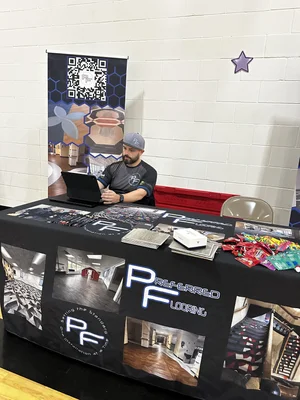
🛠️ Stubbi Tools by Preferred Flooring
Installer-designed tools that work as hard as you do.
👉 Check out Stubbi Tools
NAFCT
NAFCT is a leading provider of flooring solutions, offering top-quality training, certifications, and support to elevate the industry.
👉 Learn more: https://www.nafct.com
🔹 Divergent Adhesives
Innovative adhesive solutions crafted for performance and reliability in the flooring industry.
👉 Check them out: https://www.divergentadhesives.com
🔗 Meet all our sponsors & partners: https://thehuddle.team/sponsors
Stay Connected & Join the Conversation!
The Huddle Podcast is where the flooring industry comes together to connect, learn, and thrive! Recognized as the #1 podcast in the flooring community, we provide an unmatched platform for professionals to discuss everything from installation techniques to industry trends.
At The Huddle, we’re all about driving Forward Progress—empowering seasoned installers, contractors, and flooring enthusiasts to grow, innovate, and lead in their craft. Whether you’re looking for real conversations, actionable insights, or inspiration to take your career to the next level, The Huddle is your home for real discussions that matter.
Want to be a guest on The Huddle? Email forwardprogress@thehuddle.team
We want to send a special shoutout to our sponsors!
FloorCloud
FloorCloud revolutionizes jobsite management with its cutting-edge platform, allowing contractors to remotely monitor ambient conditions like temperature and humidity in real-time. Paired with rugged sensors and instant mobile alerts, their technology ensures installations meet manufacturer specifications, reducing liability and enhancing quality control. Learn more at https://floorcloud.com
Go Carrera
Create your FREE Installer profile at https://gocarrera.com and become part of the future of the industry TODAY!
GET TRAINED! Find a list of training dates here: https://gocarrera.com/resources/training/
Preferred Flooring
Preferred Flooring proudly introduces Stubbi Flooring Tools—designed by installers for installers. Stubbi tools are crafted for precision, durability, and ease of use, helping flooring professionals tackle any project with confidence. Explore the full Stubbi line at https://preferredflooringmi.com/stubbi
Please visit our new website! https://thehuddle.team
What is up, guys? Welcome back to the Huddle, the number one podcast and flooring. We're here every week to help
you guys gain forward progress in your careers. And simply put, we're always
here to help you guys win, sharing our experiences and the experiences of others. So this week our
topic is confidence isn't necessarily loud and how to build credibility in the
trades. With me as always, Mr. Daniel Gonzalez.
Jose will probably uh join back in here. Having a little technical difficulty and we got Matt Wellner from the NTCA.
Welcome, Matt. Hey, thanks guys for having me today. Yeah, love having you on. uh thank you
for accepting uh the invitation and coming on to talk about this topic. We
often in um our weekly podcast here land on training and certifications and and
these things as uh ways to build your your your business or your career in uh
all of the given flooring trades uh or flooring disciplines. And we know NTCA
is a great trainer in our industry. Uh big advocate for the installer. And so,
uh, one of the main reasons we exist is to build up the installer. We're
building an installation community of people that um with the goal that our
voices are heard by the big boys, by the manufacturers, by the by the industry,
and that uh you know that the future really looks like
the key to success is going to be your quality of installation.
uh we're the playing fields are kind of getting leveled on the estimating world.
We all know about AI and its advancements there and uh we're doing a
lot of tricky stuff over at my flooring company as well as at my technology company at Trade Tap um with AI
and we're we're waiting for him to build all the agents so we can just use them. He asked me earlier, our first one uh
will release here coming up. Um I think we'll have our first one released
sometime uh not next week but the week after and it'll handle uh a a piece of
our of our business that typically took a full-time employee. that employee
that's in that zone will be moved to customer relations and and and building
uh reputa like customer service and and and uh so we're not eliminating
employees, we're just putting them in the more valuable positions on the front side of the estimate and on the back
side. So getting the invitation because of our credibility and then executing at
a worldclass level on the installation side and those are the two sides are going to I did a talk on this in um at
co at at the conference uh spoke to many people about it at TIC even
that's going to be the two zones that you really have to focus on as a flooring company or an installer is your
execution on putting the floors down in a high quality, longlasting, beautiful
manner and you know gaining credibility in the marketplace. So, uh with all that
said, give us a little background on yourself. Matt, tell us a little bit about you. Uh and for those um uh
audience members that don't know much about the NTCA, give us a little background on the NTCA and what where
you guys fit in the industry. Yeah, absolutely. I'll start with uh just a little bit about myself and then
talk about the NTCA. So, I live uh I'm based in Hickory, North Carolina. So,
western North Carolina. Uh live here with my family. Uh my wife and two kids.
Been in the tile industry for uh right at 25 years now. Um so, I was uh
homeschooled as a as a child. And so, when I became a teenager, I got kind of
suckered onto a job site and started uh started mixing mortar at a pretty young age. and uh kind of never looked back.
Um left once and went and did some uh built power plants for three years. Um
but beyond that, I've kind of been connected to the tile industry my entire life. Um and uh you know, I was kind of
your typical young cocky installer. Kind of thought I knew it all. Um and and you
know, there were some guys that tried to teach me, but I kind of thought that I already knew, right? But
is a Hickory is a small town and this is back before really social media and
things like that. Uh but I I kept hearing and seeing this new orange
waterproofing product, you know, in the marketplace and they were offering to uh
do a two-day training, right? And so this is back in the day. I had to I had
to go on online and print out Map Quest directions to get to this training. So,
I had a physical address, but I had no idea where I was going. And I pulled in the the parking lot and it was at this
place down in South Carolina called the Ceramic Tile Education Foundation and I
met Scott Kurthers who was the director of CTEF and uh he he opened uh that
two-day Schlutoter workshop kind of welcoming us to his facility and told us about the ceramic tile education
foundation and then he was also working for the NTCA the national tile contract contractors association at the same
time. He was kind of doing two roles and he told told us about the NTCA and what
they had to offer. And man, it was kind of honestly it was it was instant for
both, you know, finding out the ceramic tile education foundation and what it
meant to be a CTI, a certified tile installer. I hadn't heard about that until until that week. And, you know,
automatically I signed up for that. you know, hey, I need to become certified um and whatever this NTCA thing is, I need
to be a member of that. And it kind of it kind of lit a fire under me. Um and
uh kind of dove in head first, became a member. Um you know, we're going to talk
about it today, but you know, found myself in a place that uh I was able to
surround myself with people that were way smarter. maybe they were 10, 20, 30 years down the road in business from
where I was at the time and uh really surrounded myself with some some really
smart people and uh so eventually the NTCA figured out they weren't getting
rid of me and so they decided to give me a job um and and started out as a trainer and I did that for uh for
several years and I'm now the training department manager and that means that
really I just help and oversee um and communicate on the back side of things.
Um we have seven trainers that work for the the NTCA and they're pretty much
full-time on the road. Um our trainers are some of them are on the road 30ish weeks
a year. Others are on the road 42 weeks out of the year. I've got two guys that are on the road um 42 weeks this year.
Um they are they are road warriors. And so what we do at the NTCA, our one of
our main focuses is training and education within the tile industry. We're a nonprofit organization. And so
the way that we are able to do all of these trainings is by uh having members.
You can become a member of the NTCA, but then we're also heavily supported by the tile industry. So, a lot of the
manufacturers and distributors um those are where we do our trainings
and the products that we use. All of those people support us and that's how we're able to do we're right under 300
trainings this year. So, tell me a little bit about what the Road
Warriors uh do like what does it look like for a guy? Um we've we've uh you
know attended um you know workshops at our local Dile
and multiple uh some I think there's been some different NTCA events at the
Florida Corps here lo locally. Uh what types of trainings
uh do the road warriors mainly provide? Yeah. So, we have two different types of
trainings that we offer. Um, the distributors are what we would call our host location. And so, you mentioned
Dile and Floor and Decor. Those are two of our hosts. And we've got, I think we're at 28 different host locations
this year. And we'll be in, I believe it's 42 different states this year. Um,
so we're uh we allow the host to request what the topic is that we cover and then
we do two different types of training. The the evening program that you mentioned typically will start at 5
o'clock and it will go till 7:30. So that's our our evening workshop. We also
have what's called a regional training and that's an all day training. You show up at we start at 8 and that goes till
4:00 4:30. Um and so two different kind of types of training and we have
multiple topics that we cover um at our workshops and regional trainings.
During your regional trainings um these are does an installer get a certificate
of completion certification? What what is what are some of the top maybe go
over a couple of topics that you got on the books here. Yes, feel free to drop a
plug on uh your any of your uh soontobe upcoming events here.
Yeah, absolutely. So, all of our trainings are listed on our website which is tile-asn.com
and you can just click under training events and you'll find all of our upcoming events for the entire we we
plan all of our events front end uh of the year. So, all of our events through
the end of this year are are on our website. Um, and you'll also when you click on that link, you'll see a a map
that has the the pins of all of our locations. So, you can zoom in on where
you live and kind of see what's close by to you. Um, some of our we have this
year six different workshop topics. Um, one is all about layout. Another one is
uh failures. Could it be me? Another one is tile matters. And that's a really good just kind of overview of the tile
industry standards. Um, another one is tile technology membranes. Kind of
self-explanatory, all the different types of membranes and how to where to use them, how to install them properly.
Another one similar to that is tile technology adhesives.
A lot of people kind of just think, well, it's just thin set, right? Just I'll just buy a bag of thin set and go
stick some tile to, you know, the wall or whatever. There's a lot of differences out there. So, where to use
what and then our latest uh workshop that was just launched last month is
called Foundations of Wet Areas. The reality is almost every tile installer
in the country is is working on a shower at some point. Right there, it's a major
issue within the tile industry. We have to learn and and know how to manage
moisture, manage the water. Um, you know, it people go, "Oh, well, I just buy this kit and install it." Well, it
goes a little bit deeper than that. We're asking a residential or commercial shower to do a lot. Um, and so it's a
it's a very costly repair. And, you know, I spent years, my business model
was home renovations, bathroom renovations, and I unfortunately, you know, made a lot of money tearing out
other people's stuff. Yeah. Exactly. Um, so that's a little bit about our workshops. Our regional
trainings, uh, this year we are primarily doing two different regional
trainings. The most popular one is the installation of gauge porcelain tile. So
yeah, 4 foot by 8 foot, 5 foot by 10 foot porcelain panels.
We we talk about this quite a bit. I mean, well, I don't know how much quite a bit, but it's just like the the wast
when you're talking about you know, pieces that big. One piece is
hundreds of dollars, if not more than that, you know. Yeah. I've installed some, you know, low
end is going to be what, seven, 800 bucks. High-end, I've installed some that were pushing 10 grand.
I mean, you know, and and we we've done a training in the past. It's um on the art glass panels. Um they're
they're they're laminated glass panels, you know, and some of those are pushing 10 grand a piece. Um, and they're four
foot by nine foot. Um, so it's a kind of it's a whole another world, right? And it the larger the tile gets is it's, you
know, is it different? Yeah, it's a little bit different. It's the same principles, but you just have less
tolerances for mistakes. So, you just have to be a lot more stringent uh versus installing, I don't know, a 12 x
24 or even a 24x 48. These tiles just keep getting bigger. So,
bigger and thinner. uh gauge panels being a quarter inch, right? We do a lot of that here. We just um um
the the handling, the shipping um I've yet to get a
an order without a couple of broken pieces. Where are you going to use them? Right.
Because it's going to take It's like a known thing. they just send us a couple more panels as long as we've
logged it right when they come in and then leave those panels and say use them if you can use them. Don't ship them
back. But they're because they're so um
hard. That means they break really easily, but incredibly durable once
properly set in in a mud of some sort,
whether it's thin set or or uh or what have you. And and there's a lot of of
the hand skill technical side of cutting and and holes and things of this nature.
There's also a lot to do with, you know, properly getting that embedded. Um, so
yeah, those panel uh classes, if you mess with panels, right, you really need to uh be trained. Um,
Roy, I love that you guys do that. Roy on Instagram says that the equipment to install it is very important.
Yeah, it's huge. Yeah. I mean you and that's, you know, here's the thing is is if you've never installed something that
big, what our training provides is an opportunity to, you know, come to the
class. Play with it. Not on your dime. If you break it, you're not out a thousand panel, right? You know, it'll
oh well, we'll we'll get another panel and we'll keep moving on with the training. The other thing is you get to
put your hands on on tools that you don't have to purchase. um and and figure out what you like and what you
don't like and you know gain some real world experience through this training
um and have that's probably even an understated value right there. Uh I believe the one
that I've attended had multiple different uh ways of cutting uh the
panels and there was like and I remember another training that I attended at TIC
one year and you you you get to mess with things and like you said just
figuring out which tool you feel most comfortable with. It's like a hammer. Why are there 50
different styles of hammer? Well, they all hit the nail. It's all about like
what you feel comfortable with and most uh most confident when you're
installing. So, this is your chance to get your hands on the hammer and figure out what way, and I'm using an analogy
here, obviously, but what do you like? What feels right for you? And that's a that's probably a understated value of
going to a training like that is the tool knowledge that you get to gain and
the hands-on portion of that. Roy said he'd go just to mess up some panels and not have to do it on his
diet. And we we do have a question here from
uh LinkedIn. Oh, I think we both clicked it at the same time. says, "Uh, love the
pod, love the pod, guys." From Adam Eastman. Question for Matt. Um, have you
thought about doing online trainings, videos, online communities, etc.? He knows someone in the UK running online
courses extensively with in-person events as well. So, it's kind of like do
the stuff online, then go to the the classes, it sounds like. Yeah. And I'm Yeah. So, you're kind of jumping in on
the NTCA uh university, I think, is is going to be what um Matt can talk about.
Um certainly, I'm just jumping in before you answer, Matt, because I wanted to state that there is no real online
university that is going to give you the hand skills, but it is a great spot to
start and then back it up with some inerson. That's my professional opinion. love to hear yours about how all that
plays together with you, Matt. Yeah. So, I agree with you 100%. There's and and everybody learns differently,
right? Um, so I might learn one way, Paul might learn another way. Uh, so all
of our trainings that are we we say hands-on training, they all involve a
classroom portion as well. And so, you know, it's kind of you get into the psychology of how people learn. They got
to hear something four, five, six, seven times before it clicks. You know, some person, some people might get it on the
fourth goround and other people it takes them 10 times to really grasp something. So,
or times like my microphone. Yeah.
So, we have we do have uh what is called the MTCA University and it's it's online
courses and it's uh it's included in part of our membership. Um and and
there's modules online that you can work through. Um is it uh it's a good
starting point and it will get kind of the fundamentals
uh out of the way so that you you know maybe it helps connect the dots on the job site. And so it might it you start
with the NTCA University and it might be talking about how to install
backerboard. Well, that might be elementary to some people, but if you've got that 18-year-old kid who just
graduated high school and he's never touched a hammer in his life and doesn't know how to read a tape measure, well
then that's going to be pretty valuable information for him to understand before
you put him on a job site and leave him with a pallet of 50 backer board to
install. um and then you know get him to understand the that side of it before
giving him instruction. So we see it used different ways. There's some larger companies that will include some of our
online university courses as maybe like a a job site toolbox talk or something
like that include it in their safety meeting. Or we get uh questions sometimes, hey, my guys are struggling
with whatever the topic is, epoxy grout or, you know, how to do XYZ, and there
might be an NTCA uh university module that kind of covers
the topic that they're struggling with. And so there's different ways that it can be used, but we do have that
available and we continue to add to the library that we have. I have I have a dumb question as long as
you guys can hear me. Okay. Are there um are are there different levels of uh trainings that you guys
offer as far as uh the progression of an installer where
you know you have beginner skill set then you have advanced and so on and so forth. So there there's not it's a great
question. Um you know it's it's hard sometimes just to get somebody to come to a training let alone get them to come
back three four different times. You know what I mean? And so what we try to
do when we're developing a training and when we're when we're out on the road in a different city um is kind of get to
know the audience as quickly as you can and kind of judge who's there and what
their experience level is. And you put a trial in somebody's hand and that becomes pretty obvious pretty quickly.
But we never want to talk over somebody's head and we don't want to uh we also don't want to talk down to
somebody. And so all of our trainings are kind of designed to hit that kind of
in basic, let's call it basic, intermediate, advanced level. So it
doesn't matter where you are, whether you're six months in or you're 20 years into the industry, I think you're going
to pick something up at one of our trainings. And that's on purpose.
Yeah. one one of the keys I think uh I mean you obviously do have the NTCA and
there's like the introduction to um ceramic tile or something like that. Uh
the uh CTEF has like uh I forget what it's called but it's a kind of a very
basic course. So the the between the NTCA and CTEF there is this progression
you can take. Uh, one of the biggest goals of this podcast as well as my
other company, Trade Tap, is to uh, increase the demand for an installer to
be trained. The that then thus requires training as part of a successful career.
And um one thing I was going to point out is when you were talking about the NTCA and the different ways that it's
used on the NTCA University, one of the things that's really cool, I think, is
that no matter where you're at, there are tools or or topics in there that can
help you in your day-to-day business or your day-to-day installation. Additionally, what you said about, you
know, uh, backer board may may be um, kind of self-explanatory or elementary
to some. I I see seasoned installers that struggle with
it because they're they're not thinking like it's still a substrate that's
probably still not plum, that's probably still not level. And how do you rectify
that before you start throwing your backer board up and shimming things correctly? and what shims to use and how
to use them. All that stuff actually matters greatly to the success of your tile installation and the overall
I mean like we say it all the time, this stuff is beautiful on displays, but it
only stays beautiful if it's installed correctly. So that's that's I think uh
the NTCA University has a a a great spot um in the industry to be leveraged by
both newcomers to get your feet wet, maybe see if this is a field that you want to be in um and then also for
seasoned installers for for and and I want to make sure I'm correct on this
next statement. Do you guys add new uh stuff to the NTCA University as it goes
or is that a completed product? No, we're adding to it. Um I thought you might. Yeah.
Yeah. So, there's always some some new stuff that you can learn new things from. Uh
so, that's pretty cool. I'm going to just kind of uh edg us back on the topic of how this all builds credibility
because we've gotten to know the NTCA and you and your uh you know, you're a
lot like many people I hear in the industry. I tried to leave this one time, but I'm back.
Uh I I myself have a similar I got started right after the uh I got back
from basic training and went and took a delivery job about three three years later because my wife was pregnant and I
needed a job with insurance. So I went to work for Nabiscoco and here I I got back into Florine not not too long after
that. Uh so it's funny how those stories are there's so many parallels there but
as far as it is concerned with um building credibility how does this I
mean at the end of the day one of the great failures in our industry for training is really that the guys see the
value in it. I've yet to catch a guy go to a industry
like training and say, "Man, that was so stupid. I didn't learn a thing." Almost
always it's like, "Man, I wish I would have went to this, you know, years ago."
We always have that mindset though that we're not going to learn anything. And then when you get there, it's like, man, I didn't know anything before I came
here. Yeah. And there's a lot of that. It's it, you know, a couple of just flooring
guys, tile guys talking, you know, I think it's never usually like a
groundbreaking product. You know, generally there's a training and there's a product being trained on or whatever,
right? But it's the people there. And I think that's that's what made the
biggest difference in in my life and in my career uh was was the people that I
met. And that's what, you know, just changed changed my life, honestly. Um,
was I met people that were smarter than me, but took the time to care and spoke
into my life. Um, and and recognized that I had I had some drive and I had
some passion around tile and they they were willing to help make me a better
installer and a better business owner. So I agree with you that you know I've
never left a training uh and and went well that was a waste of my time because I was always meeting
people and helping people and you know it it my role has changed right and so I
was looking to be helped and I was willing to be mentored and then it's progressed from there. Um, so that to me
is the huge part of just connecting with people one-on-one and and training events seem to be the place to do that.
Yeah, Daniel talks about this a lot and when he's training uh in flash coping
heat weld uh if he does one of those trainings, the people that he gets to meet as the trainer, even uh learning
new little tricks or little little techniques that you may not have known.
uh it goes a long way. But also the people I know that there's, you know,
plenty of times that people have reached out to us, to me or to Daniel or Jose
and surely you that you met at a training and they're like, "Hey man, I'm coming up against this thing. What do
you think?" or uh you know I have a project that's maybe not in my
wheelhouse from a size perspective and I may know the guy. That's one of the things Trade Tap is designed to do is to
get all these guys opportunities uh through Trade Tap Pro. But the the
benefit of knowing people and getting connected gives you an outlet gives you a like a a
phone a friend kind of thing. um that is is there for people to take advantage
of. Um, one of the items, the guys that I talk about often is, you know, the
guys who say, "Wow, I'm I know what I'm doing. Why would I go to this training?" You know, well, I think it goes back to
our topic credibility. You may know you're great and you may be great
somehow. You may be have a father or an uncle that taught you and he was a uh
you know an awesome he awesome installer you know trained and he passed that down
to you and you may be really great but a lot of the proof which is one of the
first notes I put is proof of production or proof of of your capabilities is one
of the things that can move you along in your career because these clever marketing things are starting to really
um be less effective in the market, you know, where you can be a clever marketer
and get the job kind of thing. It's it's like can you actually perform the
project? Do you have the credentials that say that you can do it? And that comes with having proof of
certifications or having uh you know being on the verified trade index and being able to show somebody proof that
like I'm an expert tile installer. Those things go way further with the marketplace these days than clever
marketing. And so that's where I think credibility really lands is in the proof
of production that then also uh builds your reputation. Um, and the
NTCA, you know, having a certification from CTEF, uh, or one of the entities, whether
you're CTI or ACT, uh, certified, those those things go a long way, uh, to
enforce your credibility because, like I said, you may know you're great. How do you tell the market you're great?
Yeah. And that's, you know, going back to when I was contracting full-time,
you know, being honest, my van was a kind of old old Chevy work van. It needed a paint job, right? So, instead
of painting it, I went, "No, I'm going to wrap this thing." And it jumped. I
mean, it just it was it was great looking. It was a fantastic looking work vehicle. and I would pull in somebody's
driveway and it separated me from the competition cuz the other guys were pulling up in
that rusty, you know, those Chevy vans are notorious for that that hood rust, right? And so the other guys would pull
up and give an estimate in their old beat up pickup or old van and I had this beautiful looking work van. But the
reality is anybody could have paid whatever it was, three grand and wrapped their vehicle.
Yeah. Presentation goes a long way, right? very visual and and and when you see that someone
has put forth the effort to invest in themselves, whether it's the marketing or wrapping the van or even apparel,
you know, they're going to be viewed in a different light. We learned that lesson a long time ago, too, because of some comments that were made. Then I
took it to heart and it was just like they're right. We got to be willing to do that with our brand.
So that I mean that was part of it and that got me in the door and it built some credibility when the homeowner
opened the door and they saw my vehicle behind me. You know, they knew that I was serious about what I was doing. But
when I walk in and I can explain the TCNA method that I'm going to put on the
estimate and I could explain that I'm a certified tile installer and they go, "Well, I've never even heard of that.
What does that mean?" Well, at the time I was the only CTI in my city. And so
that's when it really started to add to my credibility. Uh that I wasn't just,
you know, I wasn't doing uh windows one day, roofing the next, painting another day, and I did tile, too. No, I was I
was a tile guy. Yeah, I took it serious. That's what I I I point out to a lot of
people is uh you got to separate yourself. One of the reasons uh we we
launched the VTI this year was to separate yourself from the handyman, the
the you know the hobbyist and handyman. Uh they can a lot of times present
themselves as well as you and trick the end user. So, you've got to be able to
display your skill and ability in a manner that is clear to an end user that
you're you're a superior guy. I do got to point out one thing that's really funny on one of our comments. Roy Roy
says, "That's my problem. How do I get everyone to know that I'm great?" Well, you keep winning national competitions,
my friend. Yeah. And you know what? A lot of that is uh people will speak for you, too. And uh you know you had mentioned uh you
were the only one that was certified but you went to the certification it increased your social capital you were
able to to bring those contacts with you and and as you as your social capital grows right your reputation does too and
you perform and and Roy had about getting your foot in the door first. You're right. You got to get your foot
in the door to explain it, but once you're there, it's hard for you not to
use that to to your advantage when you know that you have the credentials to back up the skill set and vice versa.
Yeah. Credentials and people vouching for you, which is the the next point of
reputation. uh whether it's previous homeowners that have high quality
uh you know expectations telling another homeowner that has high quality
expectations that you are good. This used to be what kind of some of the online stuff would
do. Uh it's gotten really diluted obviously. um another reason the VTI
exists but um the the the
reputation side of things is like oh he's certified and you know he's
reputable. One of the things that is not you know may I would say is really
worthy of being talked about is how you present yourself on the job. you kind of touched on it with the van, but it's
also about educating your enduser with the knowledge that you've got. And then
after that is being punctual, being dependable, being like a lot of these
other soft skills that we we track in our algorithms. uh respon or uh
professionalism, attitude, punctuality, dependability, exceptional quality,
communication, and then how likely are they to use you? Again, those those items
only one of them have to do with your quality. Although it's very important because you can be all the others. You
could check all the other boxes, but if you do a terrible job, then it's out the window. But also, you can, and I can
speak to this in my uh past, be good, but have a terrible attitude, and the
person still doesn't want to use you again. Even though you're not going to get have to go back and replace it, and
they're happy with the install, they just don't like you because you were a little to them. And uh I had
that problem when I was a young young installer because I had this ego thinking that like, you know, I'm so
great. uh kind of embarrassing to talk about as a 50-year-old today, but that's
the truth. That's how I was. And I caution on here a lot to the younger installers getting in the industry is be
humble, be teachable, and be willing to share your knowledge with your customers
so that they know that you know what you're doing. Um
those those things all go into your credibility. And uh last thing I would say is uh Doyle had made a a a statement
about certification and presentations uh are great but what about
but what about your character at the end of the day? You got to sleep with yourself. I think
clean that up a little bit. I think essentially what he's saying is at the end of the day, you got to sleep well
with the the product and your service.
I think it's putting those certifications um to work for you, doing it the way
that you were taught and doing high quality work and charging the right
price. And you should not be the cheapest. That's professionalism. You should not be the cheapest.
professionalism along with um what's it? Ethics, right? That's how you sleep at night. You take your ethics and the
professionalism, put them together and integrity, right? So, and and I get it because his next comment kind of
matches that a little bit about the uh handyman with the slick silvery tongue. Um
I mean, they're so good at what they do when they're talking about it that the news over here is warning people.
They're like, "It's about to be home renovation season. Do not hire just anyone.
Yeah. And that's where you got to have a a mechanism uh to be able to be able to
prove that that person is good. Again, I've plugged the VTI a lot on here. um
it doesn't get this much airtime typically, but it is the way that you build credibility when you're able to
have a third party prove and say that you are this level and it's all based on the certifications and the trainings and
the workshops that you get through the NTCA or through CTEF or through CFI or
and that's where I was going to go this comment right here because he's like what's the best way to market the accomplishments without bragging and
it's to have other people brag. bag for you, right? Cuz I mean, there's a lot of
times where even people come to us and they're like, I don't I don't think we can afford you. And it's like, man, you haven't even given me a chance yet. But
everyone says that you're the best. I said, yeah, well, let let us prove it, right? Just let us do something.
Yep. But I don't remember if uh or I don't know if Roy remembers this, but I was I
became a CTI and then I became a CTI evaluator and I was training to become a
CTI evaluator and I was shadowing some existing evaluators that evaluated Roy
down in Atlanta, Georgia. So I was in the room when Roy passed his test. Uh, but you know, one of the things that I
did was put my CTI and my membership to the NTCA and that I had been to this
train, man, that was like my signature on my estimates, right? And so they
might see that number uh that that what it's total cost number of what it's
going to be. Um, and then underneath of it, I would try to put it in there that,
you know, I I am qualified. I have done this before. Yep. the right guy for the job.
Yep. All that matters and um the the results of all that is the you
know you these are things that build on themselves. you do good work for people
and you I mean the bottom line is if you if you do
um display high levels of accountability to yourself in those seven markers that
I mentioned, you are going to be successful. Uh you will be successful
under the as long as you're charging the right price. That's the one thing we can't fix is what you're willing to
charge. But we want to give you the tools to have the confidence to be able to charge what you are uh worth and make
sure you are profitable as if you're a subcontractor or as an installer working
for a company by the hour as a W2 employee that you're rewarded by your
company because of your stature. All these things matter in you know
building the credibility and how how the trades you don't like uh like Roy was
kind of um talking about there and then you look at our topic confidence isn't
loud like you ought to be able to have other people I think did you say that Jose like have other people or maybe it
was you Daniel other people telling other people how great you are. Yeah, it's it's not it
doesn't always have to come from you, right? And and you know, I always said that there's no no bigger compliment
than getting a referral from your peers, right? From from one installer to
another installer when you're referring another installer to a project that you you could do or a project that you feel,
hey, you know what? This is a little bit above my my my skill set, my knowledge, but I have the right person for you.
That is that's a compliment, right? And that speaks volumes to to to your ethic,
to to your person and your ability. And you know, there there's projects out
there where we've had to do that and say, "Hey, we got to call somebody. We have somebody else who might be able to do it better. Um, we have somebody else
who might be more knowledgeable on the product and the systems that you want." And it's okay. It's okay to do that. But
not only did you just refer somebody and help build their reputation, but you just built your reputation a little bit,
too, by by stating, "Hey, you know what? I don't know everything. I can't do
everything, but I can find a solution or lead you in the right direction for for you to get the product that you want."
And that's how you build that community as well, right? It's it's building up other
people, right? Because I mean now I'll be honest there's been some times where we get calls and it's like hey I have
called everyone else in the area they only throw out your name and it's like
well first of all I shouldn't have been the last call then right but that's where that reputation
um they're like I don't know if I can afford them right especially if everyone is saying that but I mean sometimes your
your last call should have been your first but it does feel great when other people are like if you're doing this
these are the people to talk to, right? And there's been guys in our area that I we've never even met. I mean, we we talk
online and stuff, right? We see each other online and I was support anyone in the area, too, right? Cuz it's like
Well, people where where do you meet the like some of it's community, but also you meet those
people at the trainings that we were just talking about. That's what Matt was kind of referring to earlier.
The the another side benefit of going to a say a a workshop is it's not like
there's some congregational point around town, at least not in our town, where
all the installers go and hang out and talk to one another. It's, you know, where do you meet other good installers
is at places that create good installers. So, uh, aligning yourself
with those people. Um, I think it was Zig Ziggler that said that you're the sum total of the five people you hang
out with the most. And that kind that's true in installation. I've yet to find,
you know, a great installer that's hanging out with a uh the group that,
you know, doesn't take care of their business and doesn't take care of their personal life very well and, you know,
are the ones that are never on job when they're supposed to. all that drama and
you know drugs and I mean stuff that's in our industry we you know can't shy
away from it. It is there. The good guys are around the good guys though. And so
if you're one that wants to be a good guy or a good installer in general get
around the other good installers. Like find out there find them. Go to different trainings.
Most people don't go to trainings that don't are the are the ones that I was uh
kind of just referring to. They're I tried to sign up for a certification class like a couple weeks ago, D was
like, "Dude, that's a certification class. You will fail." Oh, yeah. He's trying He was trying to do the CTI because remember I said you
you're coming to Grand Rapids. But I read it wrong. I read it wrong and that's that's I was like, "Oh yeah, maybe I should sign up." But he's like
certification. I'm like, "Oh." Megan from Welsh Tile was like, "Hey guys, do you know anyone that wants to do this?"
He was like, "I'll do it." I said, "Dude, there's TIO guys that are amazing out there and they're like, we can't
even pass. You know, we failed one or two times." He flat out said in the email, "You will
fail." One of the things that I want to point out because I've seen a lot of comments
about it. uh when you guys uh when the VTI when all the profiles are merged
over and new VTI opens up for everybody here in the coming weeks, the you'll get
a card that will be a link to your public profile that you can share. It'll
have your picture and your QR code that leads to your your public profile that
you can share to people. And that's a really good way to say, "Hey, Miss Smith, I'm Matt here to look at your
your bathroom remodel and retiling and doing your shower or whatever. Here's my
VTI card. Check me out. These are my accreditation and accomplishments. I'll go measure up and be back to talk to
you." And it's a really beautiful way to display your body of work. Um, and it's
all data driven. So there's not claims in there. It's not it's all verified and
data driven. So, that is one way that uh that you can add. You'll have that QR
code. You can add it to your business cards, put it on your truck. You can dis you can use it however you want. We
don't publicly uh share your information, but it's your card. It's
your QR. It's your profile. You can share it as much as you like. Uh some guys are talk already got stickers that
they're going to leave uh at the homeowners to put on their fridge. call
me next time kind of thing. Um, so, uh, there's a lot of ways that you can do it
without being boisterous and, uh, that's one of the big benefits of the VTI and
the way that we display that skill rating. Um, all that being said,
what when we're talking about um, the like the gauge panels and the higher
level stuff, and I say higher level because it's a higher risk level. you mess it up. It's like a piece of sheet
vinyl in our world in the me being a soft goods guy. Uh you know, a roll of
sheet vinyl, a 40 foot drop, you don't want to mess it up.
It's an expensive replacement. um what kind of
education or what kind of level of um
skill would you want to see from a guy before they start handling uh gauge
panels and and that kind of stuff. So, you know, there's been in the past
there's been some advanced training. I would not and and some people have been
confused and and kind of let it be known that uh they don't think that the NTCA
training is advanced enough and I fully recognize that but again we're talking
to that beginner intermediate and advanced. So, can you come to one of our gauge porcelain panel trainings and then
go tile, I don't know, an airport? No. No. You don't have the experience necessary, right? But what you are
getting is that first initial experience. Do am I do I have the right
crew? Do I want to make that investment in thousands of dollars worth of tools?
Do I want to take on this liability? And here's the good news. And people forget this part. They might come to one of our
trainings for gauge porcelain and they might go, "This is just too much for me, but everything they learned at that
training, it can be applied to 24 by 48 tile."
And you're not getting away from that. Whether you're residential, commercial, I don't care. That is becoming the new
normal. That is our new 12 by 24. I laugh at people when they say uh large
large format tile 12 by 24. I'm like that's a baby tile now.
It used to be large I know it used to be but it's now a baby.
I know. I just it is a any tile with one side over 23 in is considered large format but
there's now tiles that are 6 foot by 12 foot. You know, 12 x 24 is pretty small,
but technically speaking, it is a large format tile. So, you can take everything that you learn at a gauge porcelain tile
training class that we do and apply it to something smaller until you are and
maybe you never will be, but maybe you grow into a 5 foot by 10 foot panel. And
I say grow into, I'm talking about your your your risk meter, but your risk appetite.
Yeah. much are you willing to take on? But also your skill level and you you
know I've seen some guys on Instagram trying to install five foot by 10 foot
tiles by themselves, one man show. It it you need a crew. You need you need
some people that know what they're doing. Um and it I say that really coming from a a safety aspect of it,
right? Like you shouldn't be trying to lift something that heavy and trying to maneuver it. We all know what a bad day
that's going to be if a piece of six mill porcelain was to shatter while it's above your head. Like that's a that's a
really bad day. Yeah. Get some people around you that know what they're doing.
I know that stuff deep, too. Oh man, I've I've taken some uh shards
from just get get catch the bad edge of a glazed four and a quarter and you got a bad you
got a bad day. That's a surgical precision cut, baby. Oh, yes. Oh, I know. It's so sharp.
First hand. Yeah. Well, the the um
the Instagrams of the world that that show that stuff.
Not only is it dangerous, uh but just like we were talking about earlier, you got the risk of the money in that. And
uh frankly, why do you want to work that hard? like charge enough that you have
good help and you want to train up people below behind you too. That's one
of I think of our core responsibilities as installers is to continue to train up
because training entities do the best they can. But in the trades, what we
know works best for skill progression is to learn something and then apply it and
then learn a little more and then apply it again and then learn apply learn apply learn apply. Uh that is an optimal
way to learn. So getting them out onto a,
you know, getting your help, some some real world experience and then get them to an NTCA workshop. Get them exposed to
some of this stuff. Even if you've been, make sure you're you're sending your help to some of these things, too. Get
them in the habit early. I It's one of the things I wish I would have done uh is get some of my help in the habit of
training. I went and got trained and then I just taught them. But I I would
have benefited them more and probably myself more had I got them in the
cadence of of falling in love with training as well. And we see that a lot where a business
owner is bringing, you know, the three new employees or whatever it is. But
here's the here's the other part going back to the networking. Where do you go after you come to an NTCA gauge
porcelain tile training? Well, there's already somebody at that training that's doing it full-time or doing it on a
regular basis. You're connecting with maybe he's your competitor, but he's your competitor who's willing to take
you under his wing, maybe throw you your first job and kind of help you along the way. Maybe you're subbing for him or
whatever the case may be, but you're building those relationships. And uh I did want to say too
at these trainings that I went to, I made connections with people that weren't in my city. And I think that
that's important too. I made connections. I'm in western North Carolina, but I made some really
impactful connections with some people in Tennessee and South Carolina. And those were the guys that I could call
and talk about pricing and talk about tools and talk about material because I wasn't worried about them taking my
customers, right? Um, so having the connections within your city but also within your region far enough away uh
that that you can talk more openly with them. I think that's important. Yeah.
Well, we have touched, you know, a lot of different items um a lot of different
I would say factors that that uh address the our topic of you know building
credibility. Uh the last thing I would say is you're the way you present
yourself. Uh you know, we get a lot of times we get so into the hands-on and
the training, but um you know, it's also kind of the van, also your clothing. I
had a a really good tile or carpet installer, and man, I couldn't get him for the life of me to put jeans on that
didn't have massive holes in the knees. And he's like, "Well, it just, you know, blah blah blah." I'm like finally,
you know, after having to tell him like, I just can't send you to job sites
anymore if you're going to not go buy a $10 pair of of jeans and I know they're
going to wear out. Consider it a cost of doing business in the flooring industry.
Uh, but at the end of the day, the way you present yourself is my point. Your your uh professionalism overall is
incredibly important. It's you don't have to be the best salesman. Just be
considerate, teachable, and you know, I I've always
found a lot of success in teaching my client why they should do it the way I'm
presenting to them, whether it's going hearkening back to, you know, ASM documents of floor prep or like you said
earlier, Matt, pulling out the good old TCNA handbook, uh, or having that in
your head. uh where you're like, "Hey, I'm going to be using these methods because this is the methods, the
standards that must be applied for you to for me to warranty your job." And
then also, uh if you have a problem, uh you know, it's most likely not that I
that a standard wasn't met, right? And so it just gives you a lot of uh
confidence when you can uh educate your customer. And when I say confidence, I
mean a lot of confidence from them to you. You build it from them. Um so
that's kind of my last uh note that I had about building credibility is just kind of your overall professionalism and
attire. So that being said, we have burned through an hour really quickly.
these podcasts sometimes it's like I look up and I'm like, "Holy crap, it's already four o'clock."
Goes by even faster when you spend 25 minutes trying to get your mic right.
I I think that we're gonna we're gonna you're gonna get better at this mic situation. You're you're one of these
you guys are moving into a new office. Is that right? So So that's the problem. It was good, right? But I had a couple things that we
moved around and it's just like I'm short a couple devices right now.
somewhere. Jim Freeman, are shorts cool? Well,
they're they're cool from a temperature perspective. Nice legs,
but you're not going to get on a commercial a commercial site with shorts. But, um,
they tried. They're defin They have had it tried. Okay. So, thanks to everybody for all
the great comments. We had a lot of um participation in today's podcast. We
love it. I don't think we got to everything, but uh we give it our best shot without uh interrupting the flow of
the conversation always. Matt, thank you so much for coming. I really think that um you know, people understanding what
the NTCA is all about and the e I mean, think about it, guys. There's a lot of
trainings this year that they have uh soon I believe that those will be right in your your devices to be able to click
on um and we'll be launching uh those items in the future. Stay tuned.
Obviously, I'll let you guys know. Uh but, you know, get involved. Um build
your credibility and take this to heart. You know, um we want to help you guys do
better business and make more money. That's our goal. And uh we've been here for uh what episode number is this
Daniel? 190 I believe. So we've been here almost
190 straight weeks. I think we've skipped a few. Uh but that is
some holidays fell on some. So yeah, but 190 episode folks. Uh, so we're here
we're here to help you guys get better and bringing on experts like Matt and uh him being able to share his background.
Matt, give us a closing um and that that's why I popped this up to
talk about coverings because you got a lot going on over there. Yeah, I'd love to just invite anyone to
any one of our trainings. You can find that on our website tile-assn.com.
Um, you might not see me, but any NTCA trainer, shake their hand, let them know that you heard about it. um on the
podcast and also uh I'll see all of you and uh and hopefully a lot of the
audience coming up in Vegas very quickly at coverings. Um so we're getting ready.
Uh we got a bunch planned for that. So come come check us out.
And for all you soft goods people out there, Coverings is the largest tile and stone show in the United States. It used
to be up there in the world next to some shows over in Italy. Um, I've been a
several times. Uh, haven't been in several years, but uh, it's a great show. You want to talk about some really
cool tile products. If nothing else, you're going to see awesome tooling,
fabrication, and methods, and tile that you just don't even know exists. They, a
lot of these manufacturers bring their new products to coverings to uh, kind of
show it. Uh, I remember the first backlit tile stuff coming through there. Uh, it's been almost a decade ago
probably. But, um, you know, you get to see a lot of cool stuff and you get to hang out with cool people like Matt. So,
if you're going to be in Vegas or you want to go to Vegas, click on the QR code, get signed up and go, uh, check
out the NTCA at the event. It's going to be awesome. Network, man.
Network, baby. Uh, last I'll say, thanks again to everybody's comments. Uh, don't
forget to get on our social sites and don't forget about on the Spanish
news station. Yeah, don't forget the Spanish news station.
So, a note to our Spanish speakers, Jorge, every quarter, at least once a
quarter, we'll do a do the podcast in Spanish. So, if you like this, but you would prefer to hear it in Spanish, make
sure to keep an eye out. Uh March 10th, I believe, is the next episode that
Jorge will be in charge of. And he does a great job hosting the podcast. And uh
so if you're a Spanish speaker and you'd love to hang out with the best looking guy in Florine, go hang out with Jorge
for uh an hour or so. Uh don't forget to get on our socials. You know, give us
some love there, guys. that's what supports us um and and allows us kind of gives us the motivation to uh continue
doing this every single week and bringing on great guests like Matt as I
said before. So with that guys, we'll catch you guys next week and um have a
blessed week.